
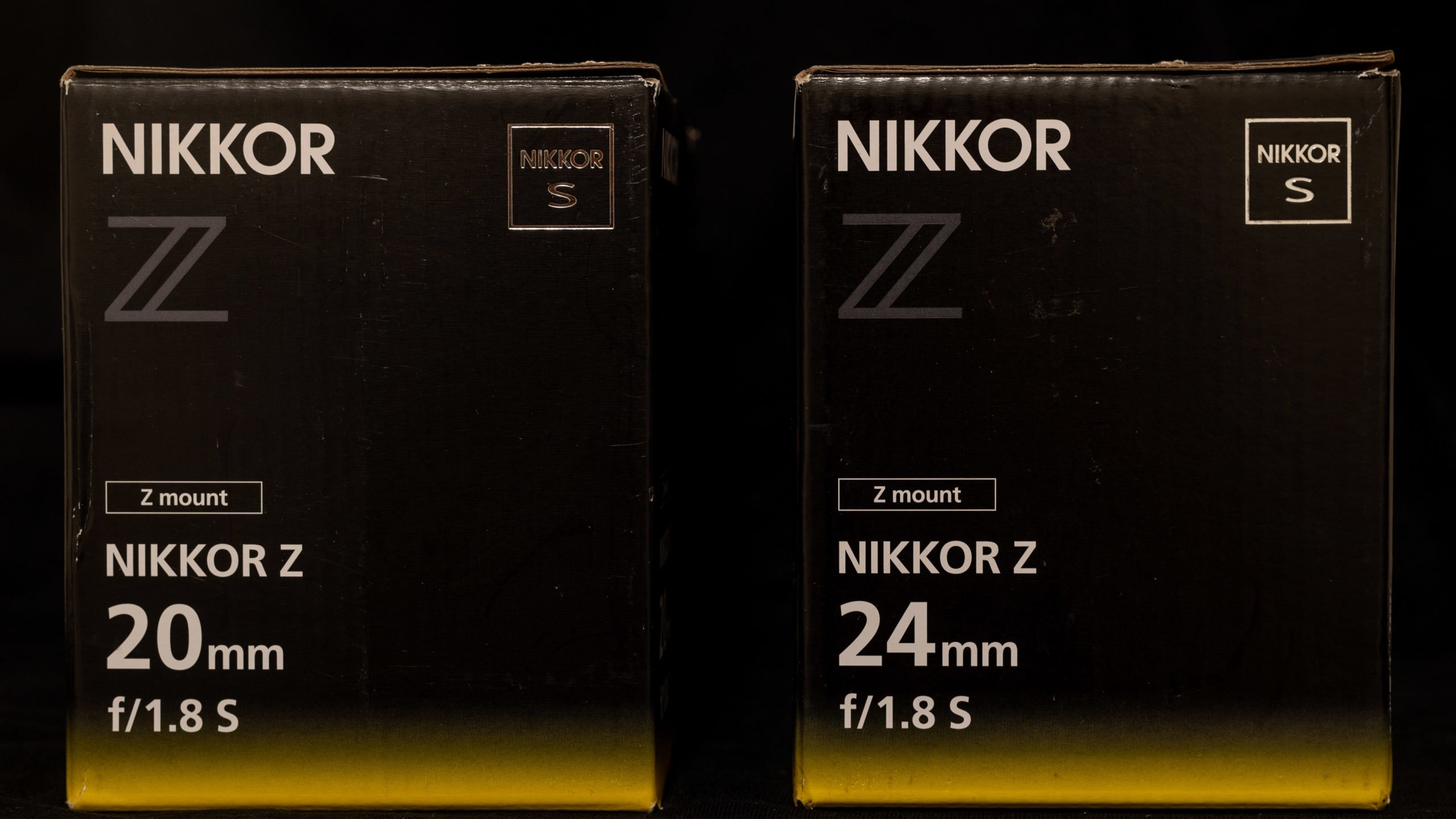
The Nikon Z 20mm f/1.8 S and the Nikon Z 24mm f/1.8 S are two of Nikon’s most popular wide-angle primes for the Z mount. Both are part of Nikon’s premium S-Line series, both are weather-sealed, and both deliver sharp f/1.8 performance. Picking between them comes down to focal length, size, and what you shoot most.
Here’s a quick spec comparison before diving into the side-by-side notes:
| Z 20mm f/1.8 S | Z 24mm f/1.8 S | |
|---|---|---|
| Weight | 505 g (17.9 oz) | 450 g (15.9 oz) |
| Length | 108.5 mm | 96.5 mm |
| Filter size | 77 mm | 72 mm |
| Min focus distance | 0.20 m | 0.25 m |
| Lens elements | 14 in 11 groups (3 aspherical, 3 ED) | 12 in 10 groups (4 aspherical, 1 ED) |
| Aperture blades | 9 (rounded) | 9 (rounded) |
| S-Line / weather sealing | Yes | Yes |
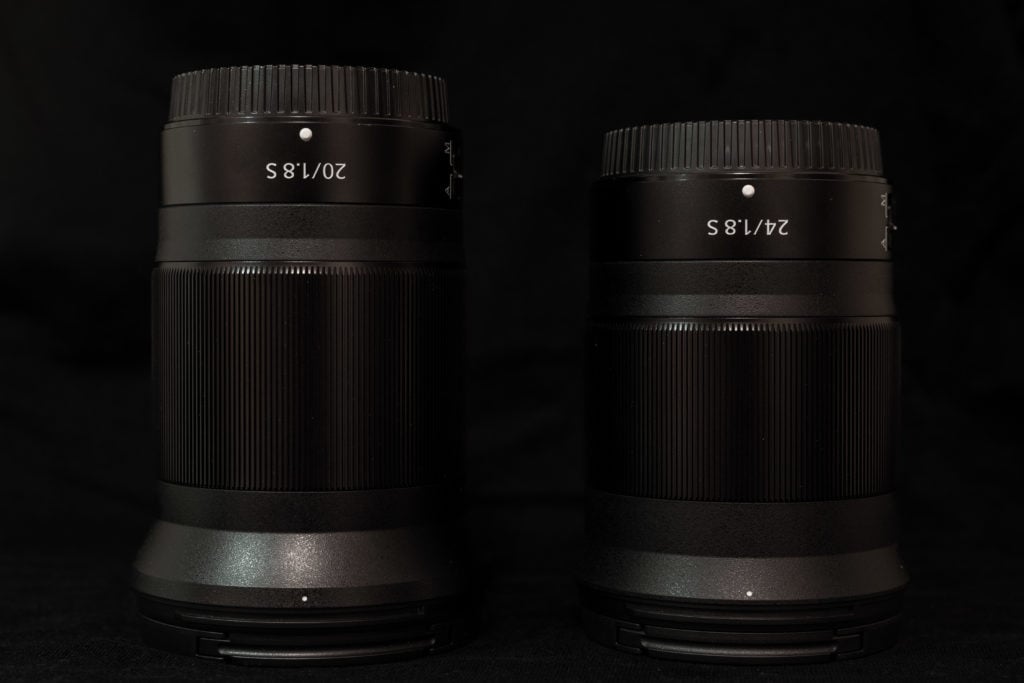
Let’s dive into comparing the Nikon Z 20mm vs Nikon Z 24mm.
Nikon Z 20mm vs Z 24mm: Main Takeaways
If you have a 24-70mm zoom lens for your Nikon Z camera I think it’s a no brainer to get the Nikon Z 20mm. While having the ability to shoot sharper photos at 24mm with a lower aperture is great having the wider focal length will open up new shooting possibilities. Just keep in mind that the Nikon Z 20mm is a bit larger and heavier than the Nikon Z 24mm. Now if you don’t have a lens that covers 24mm in your gear list it’ll be a bit harder to choose between these two lenses.

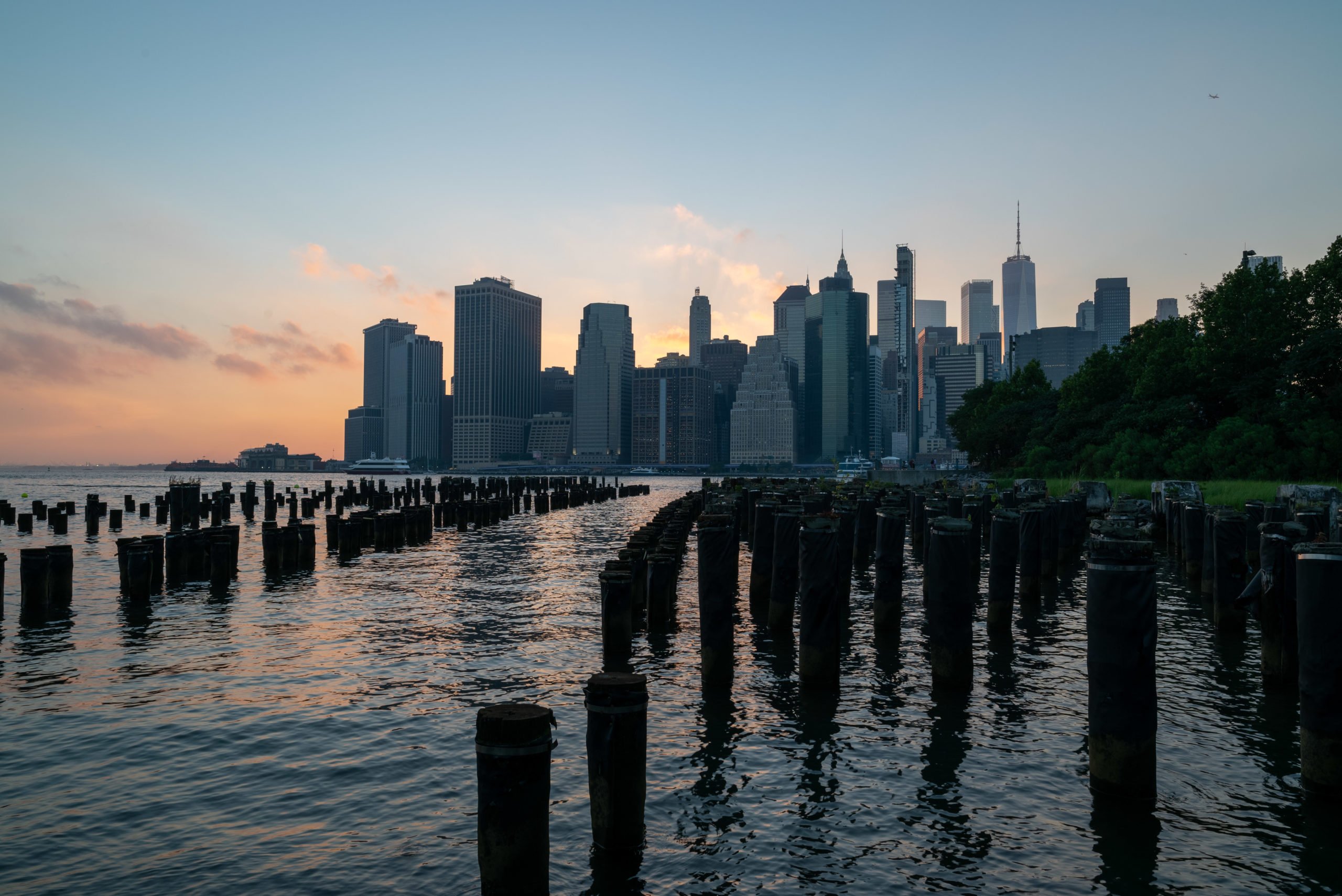
Both of these prime lenses have an f/1.8 aperture making them great for low-light photos. Especially when paired with the great high ISO capabilities of the Nikon Z-series cameras. You’ll have no problem getting sharp photos at night with either lens. While shooting at f/1.8 you’ll have a very small focal plane so shooting on these lenses between f/2-f/4 will result in a good mix of light and things in focus.
You can always crop a 20mm photo to roughly match a 24mm framing, but you can’t go the other way. The wider focal length matters most for architecture, landscapes, interiors, and tight street scenes where you can’t physically back up.
You’ll get the typical wide-angle distortion on both lenses, slightly more on the 20mm. Sharpness on both is excellent corner to corner.
Both lenses have a similar price but the Nikon Z 20mm is $50 more expensive typically. Since their prices are so similar I won’t be factoring that into their comparison.
Now let’s dive into a bit more about each lens.
Nikon Z 20mm f/1.8
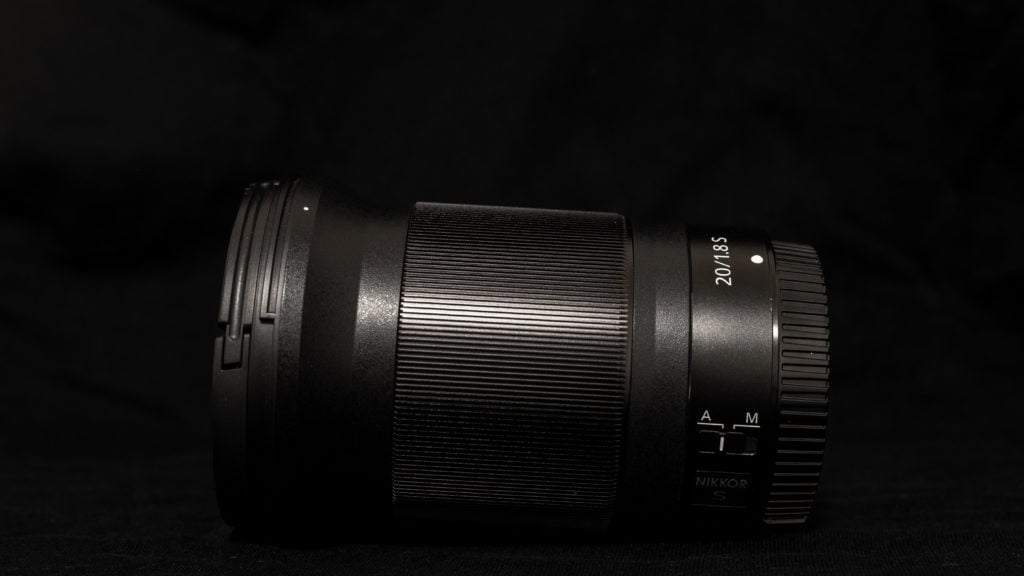
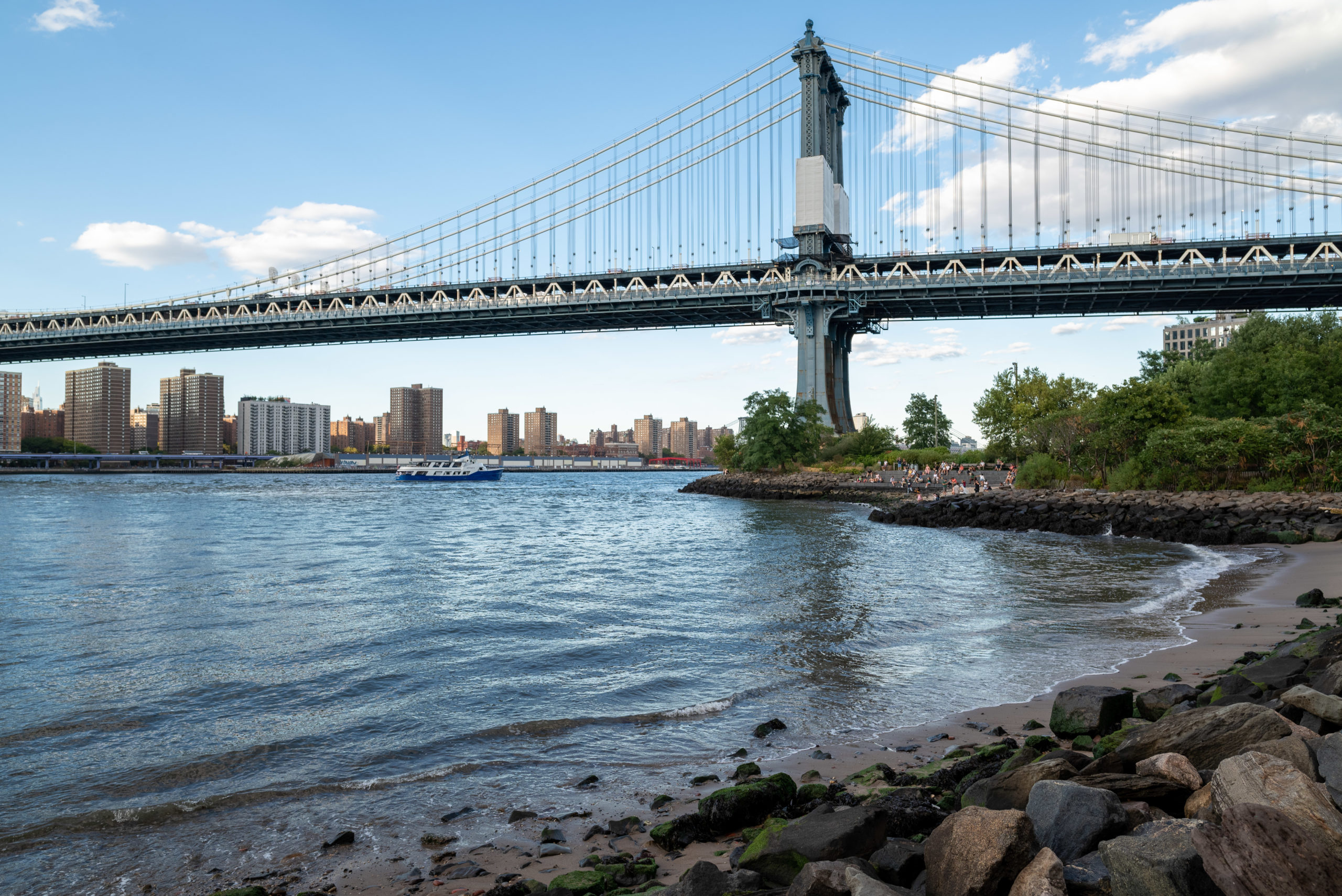
The first thing you’ll notice when you pick up the Nikon Z 20mm f/1.8 S is the size. It’s on the larger side at 505 g and 108.5 mm long, but it stays well balanced in hand on full-frame Z bodies. The 20mm focal length makes it a strong fit for landscapes, interiors, cityscapes, and any other wide grand scenes.
The Nikon Z 20mm takes 77mm lens filters, the larger of the two filter sizes here. If you shoot video you’ll probably want an ND filter on it to cut down the amount of light coming in so you can keep proper shutter speeds for your frame rate.


The lens performs well indoors and out. The f/1.8 aperture gives you enough light gathering for night work, and the rendering is clean enough to use wide open without much penalty.
The size and weight of this lens shifts the balance forward slightly on smaller Z bodies like the Z5 or Zfc. It’s not unmanageable, but it’s worth holding the combo before buying if you’re sensitive to that. Any tripod rated for a full-frame mirrorless body will handle the weight fine.
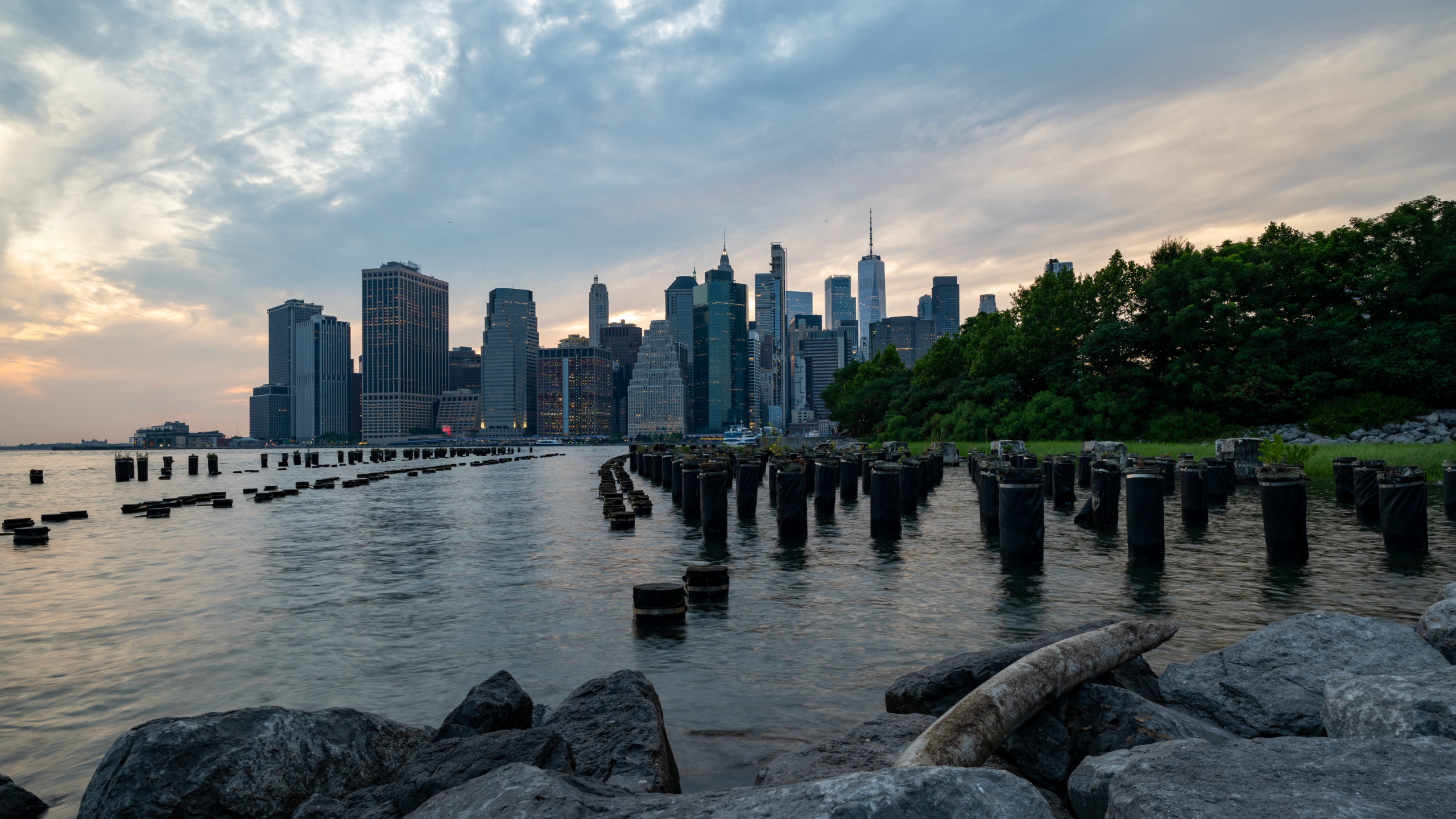
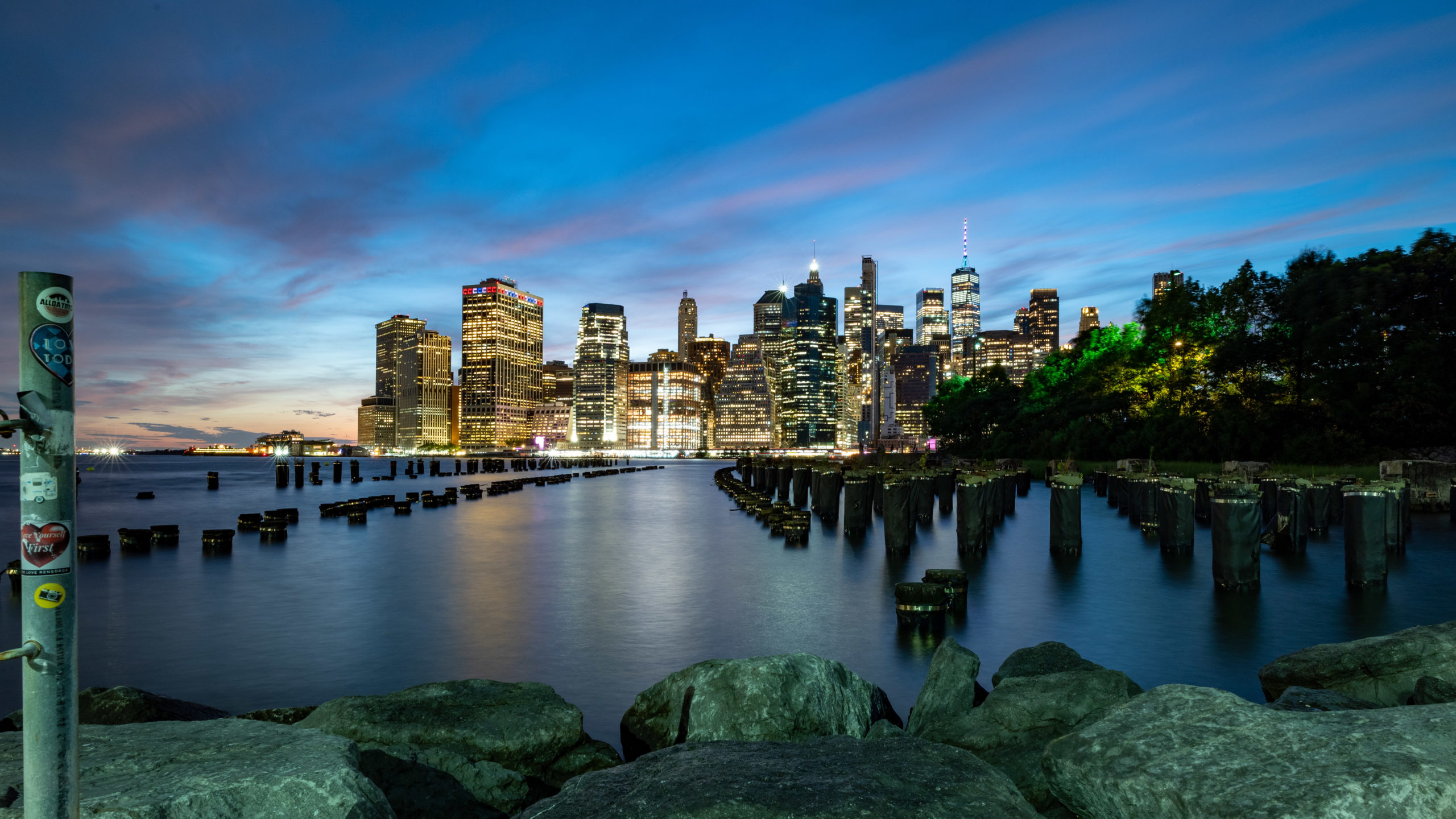
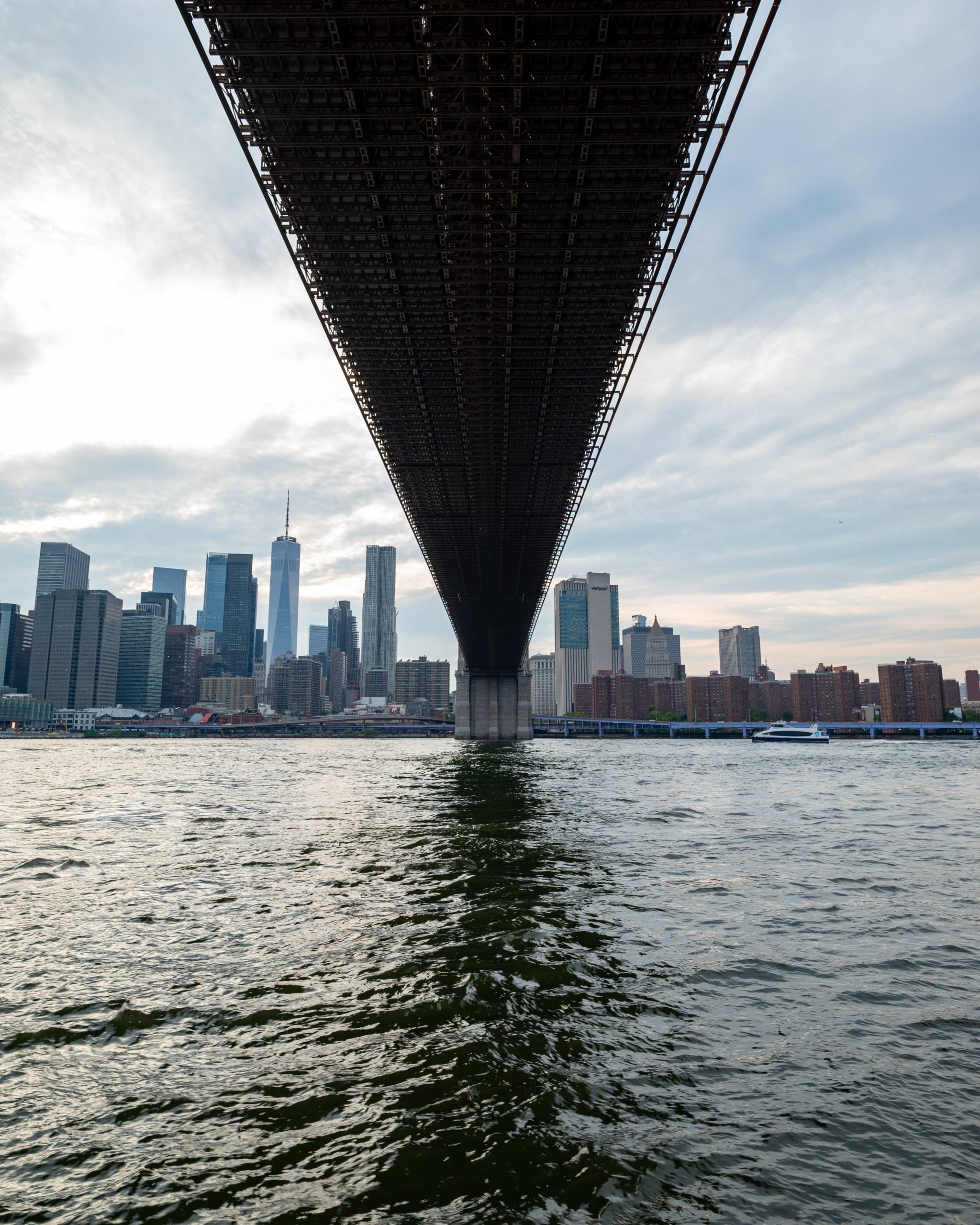
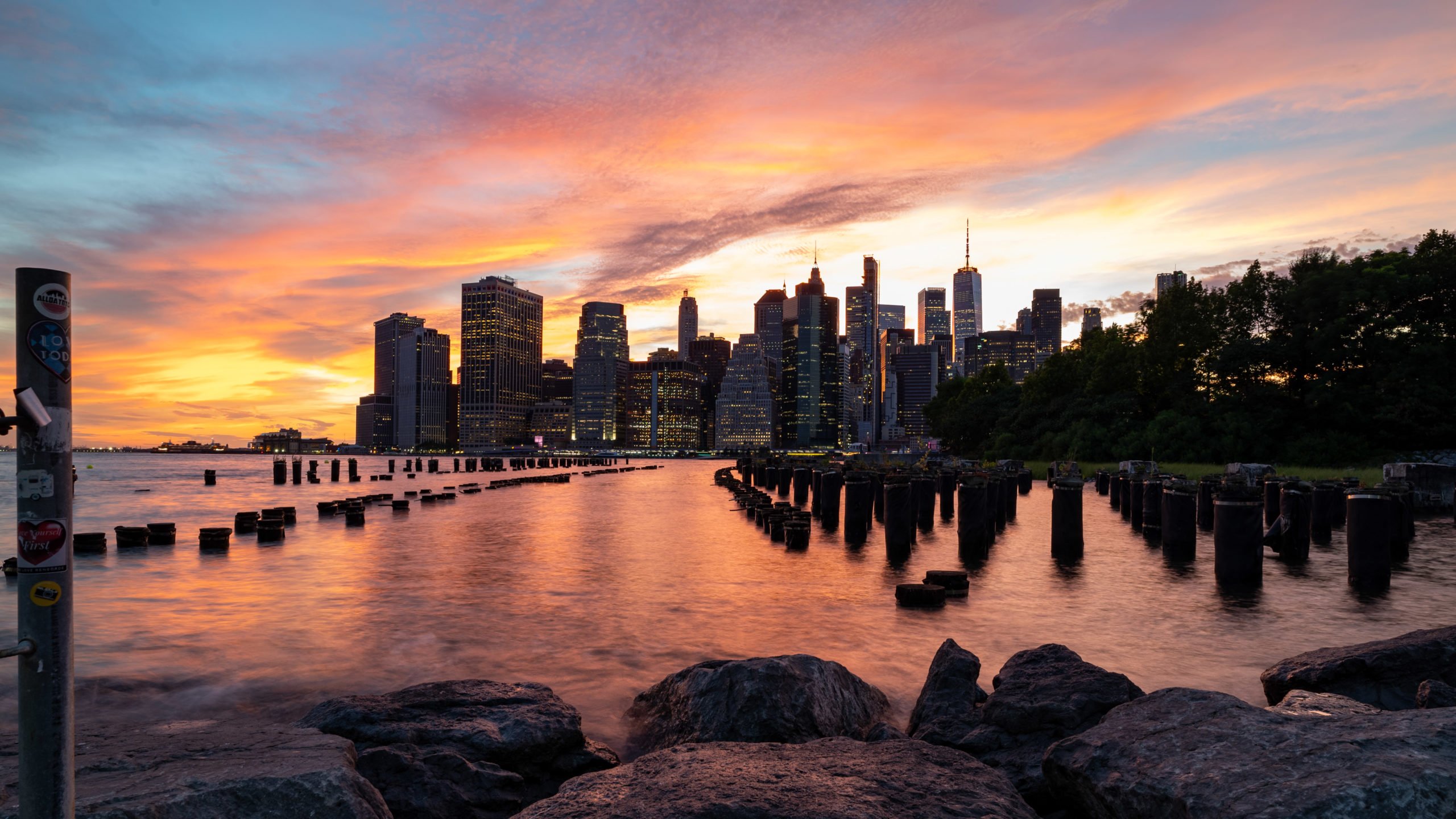
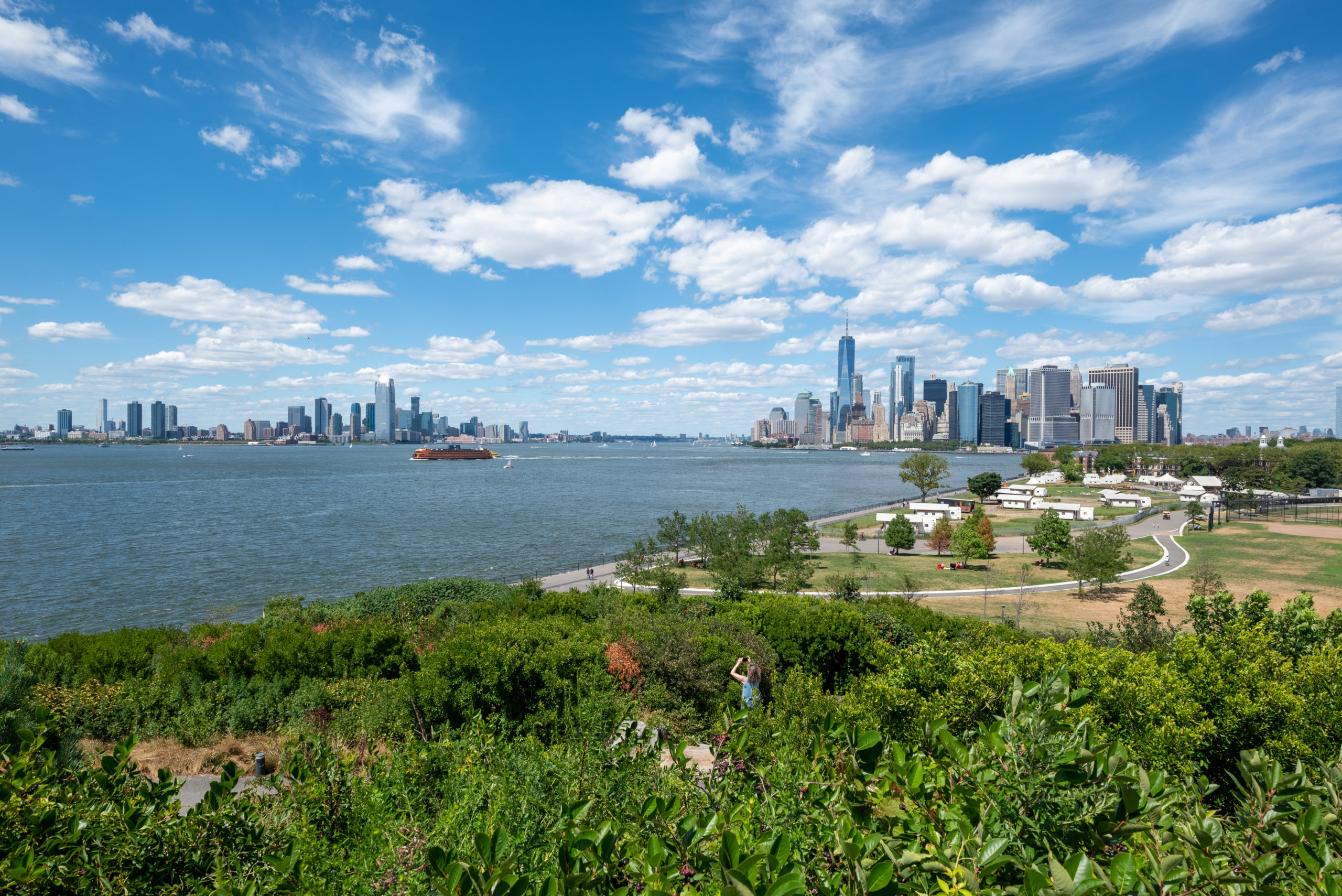
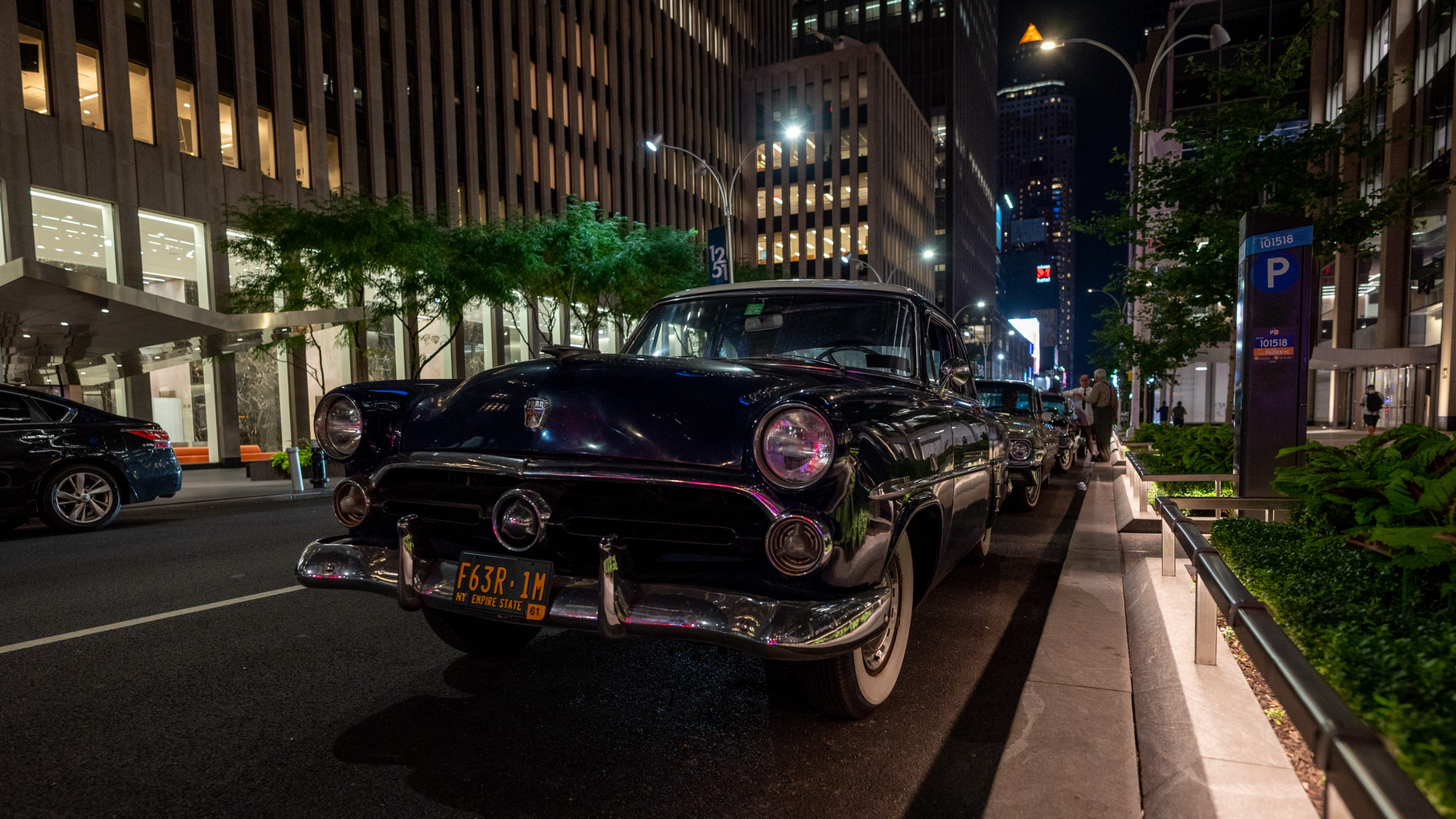
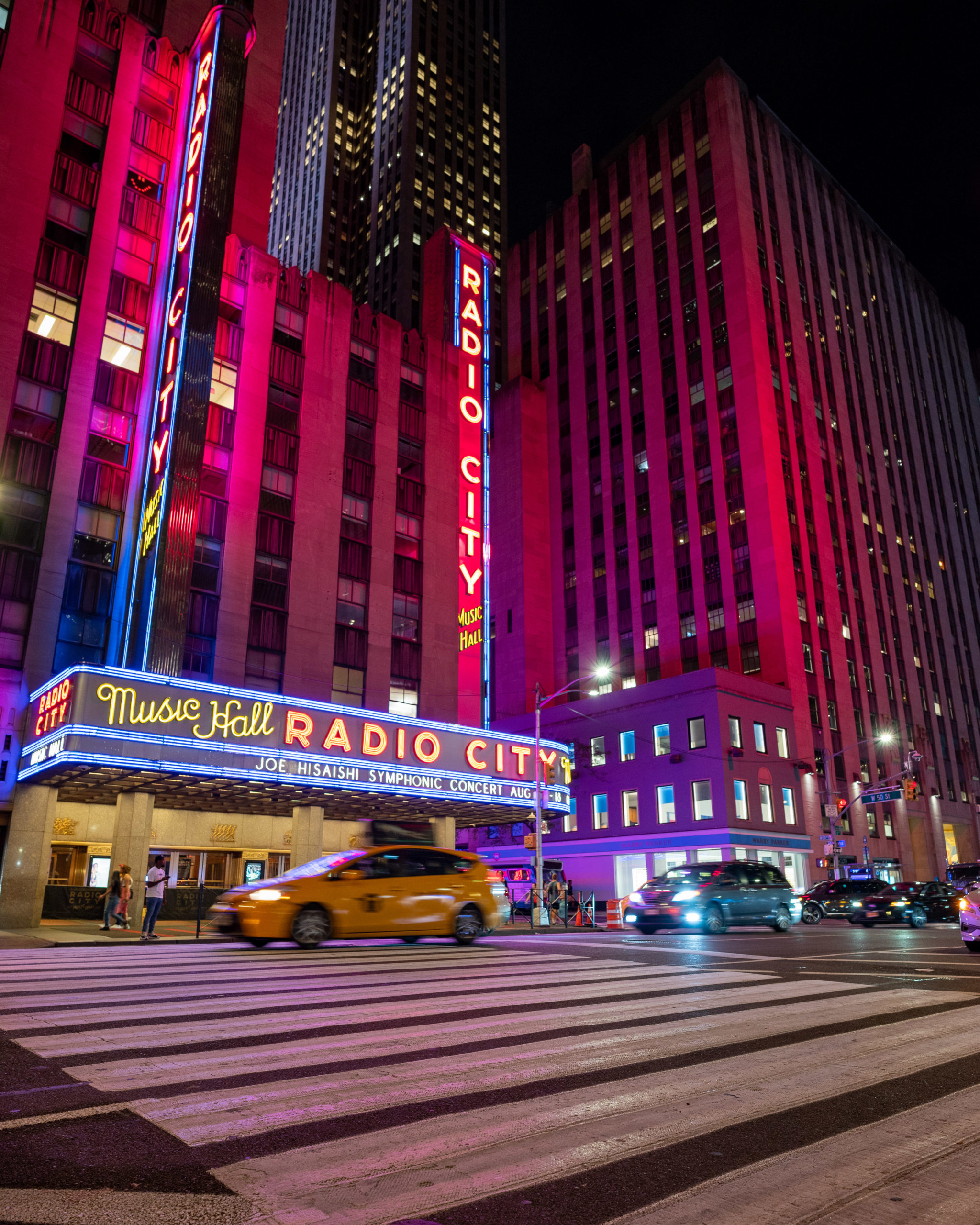
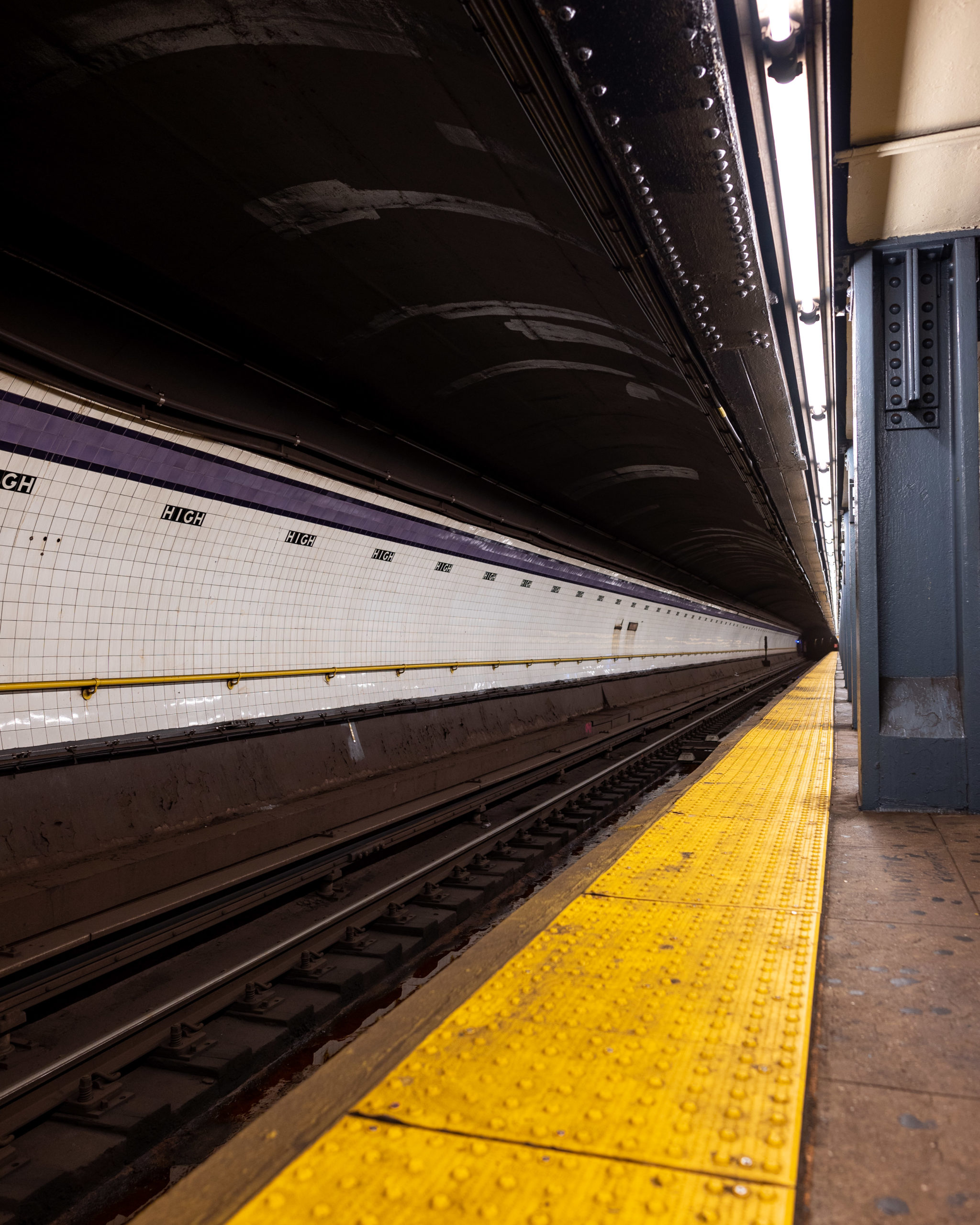
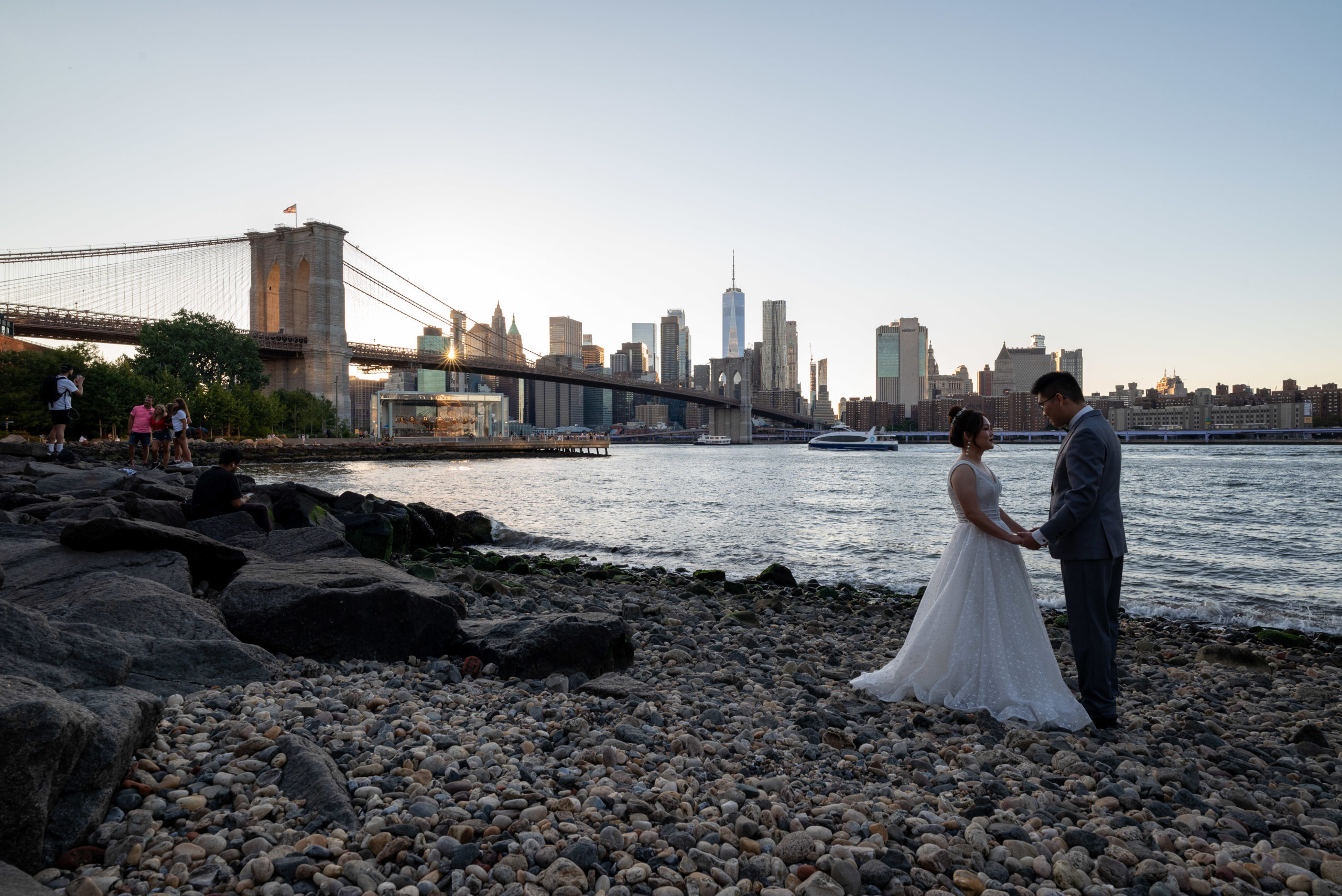
Nikon Z 20mm f/1.8 Sample Photos

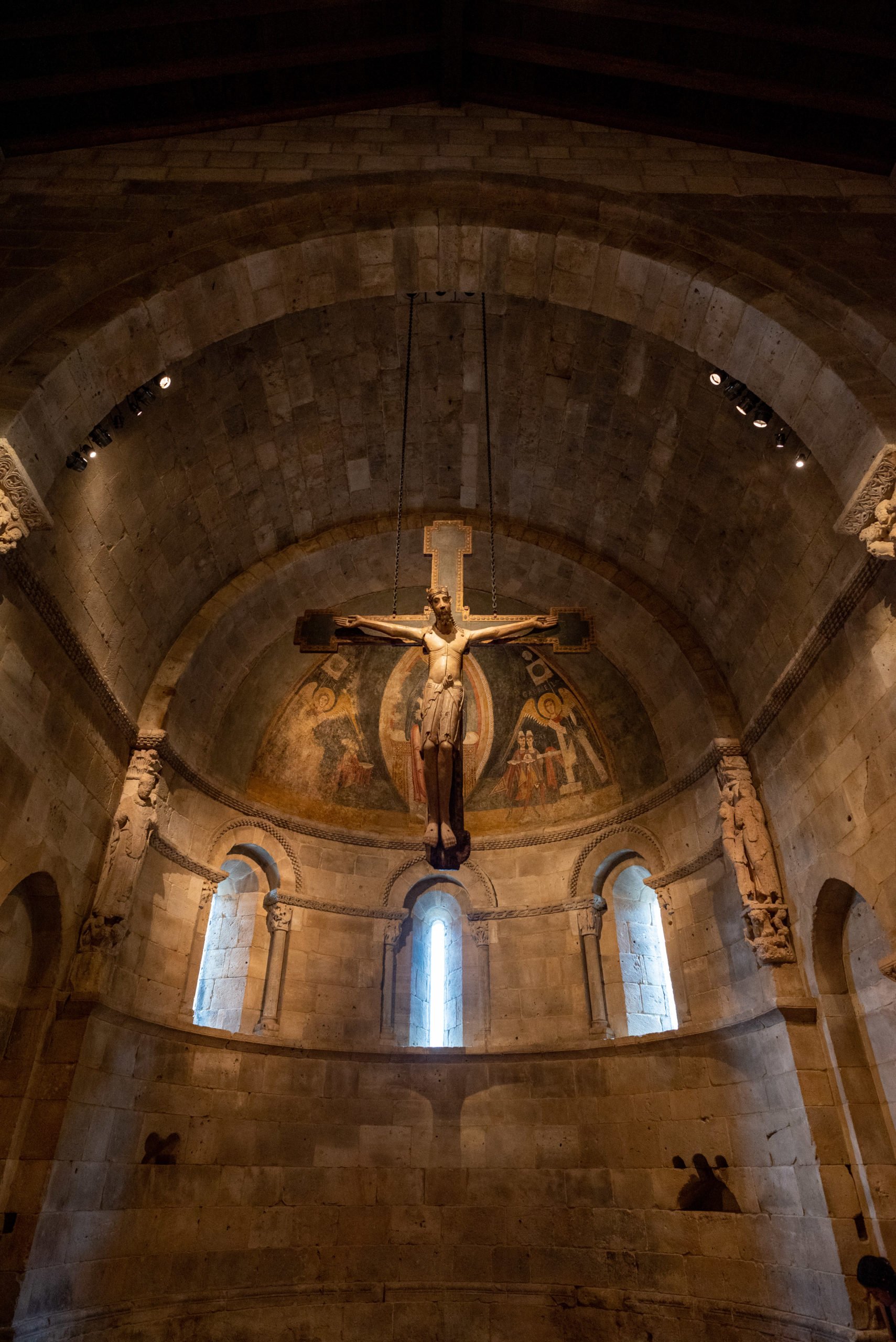
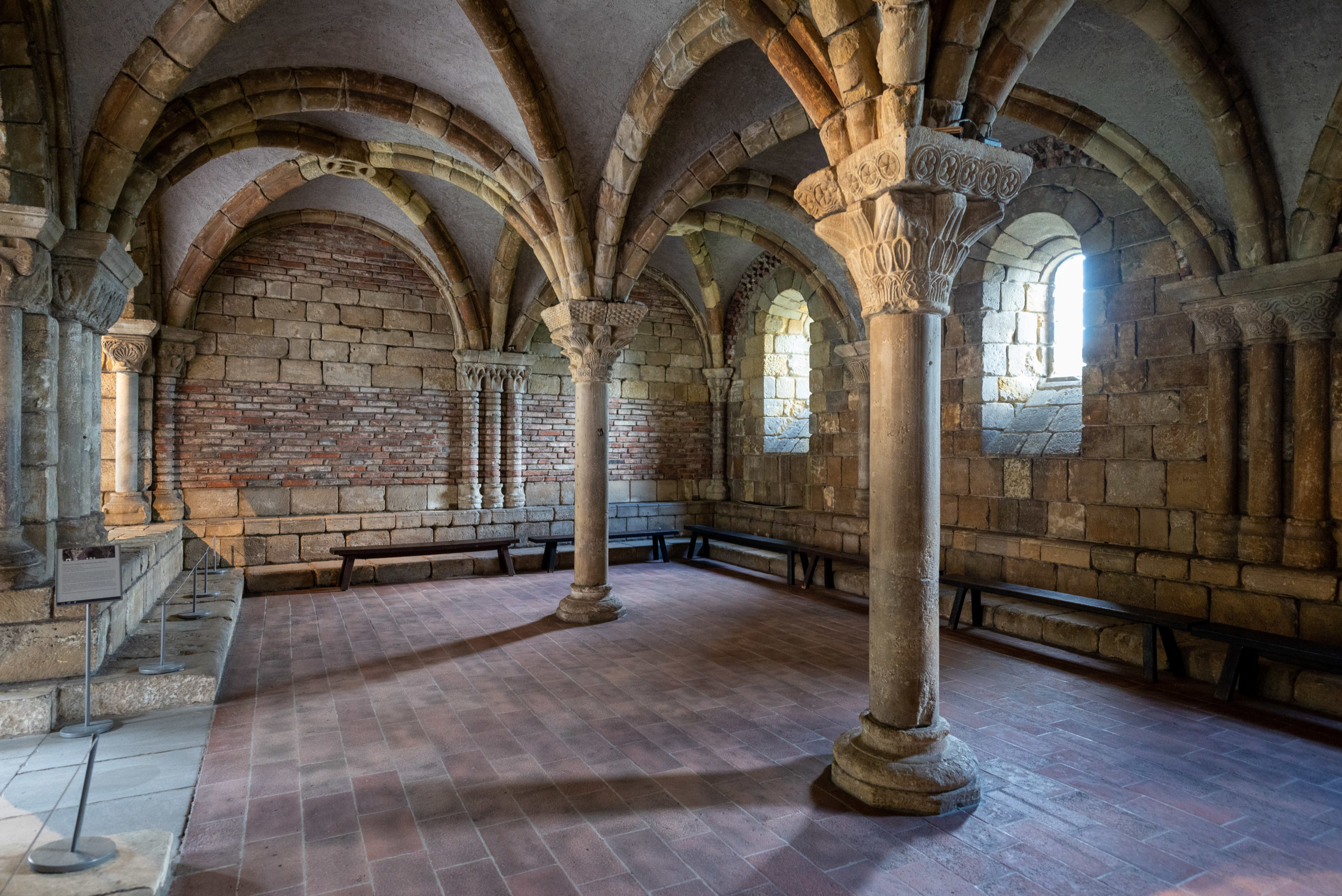
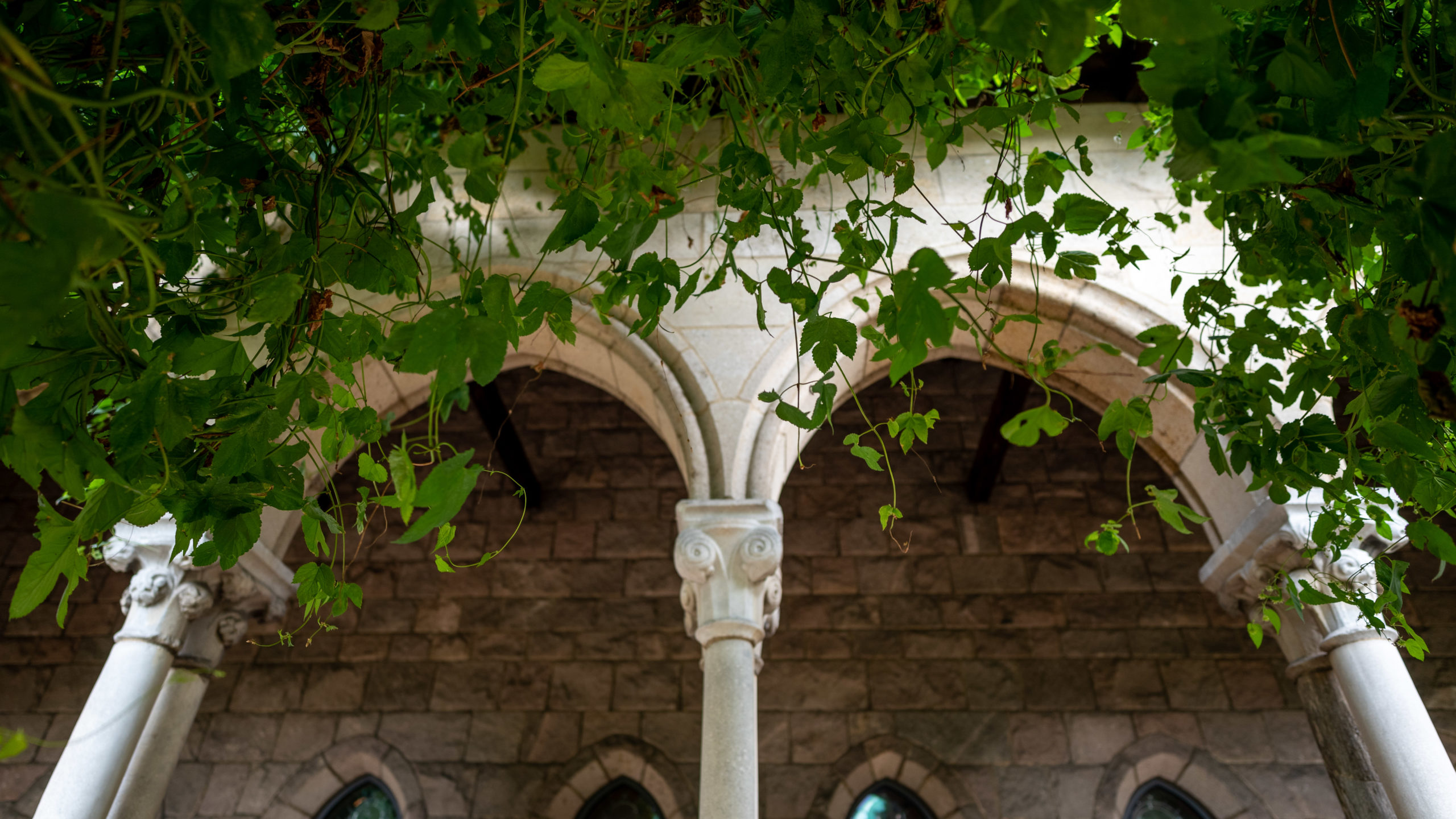

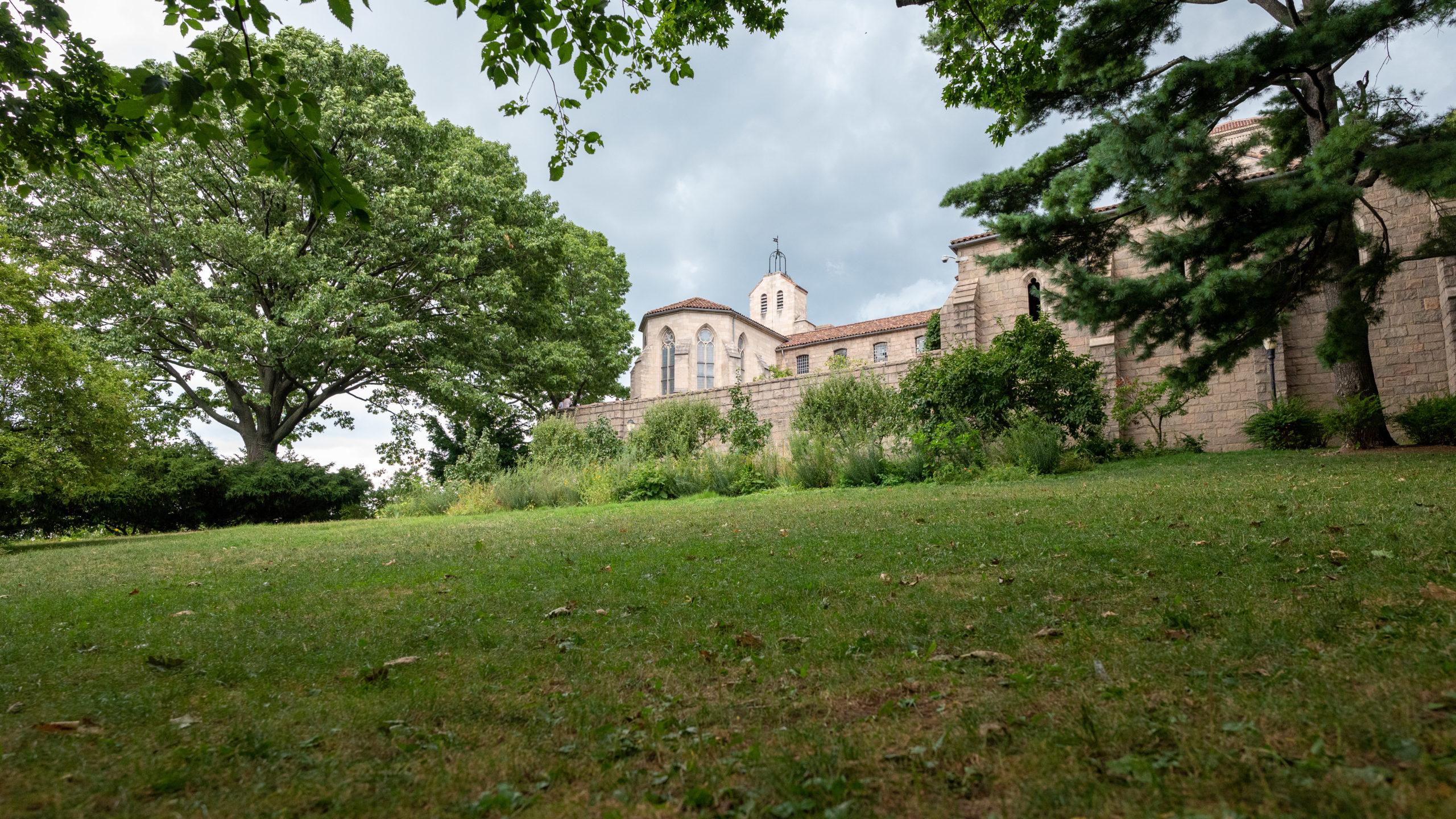

Nikon Z 24mm f/1.8
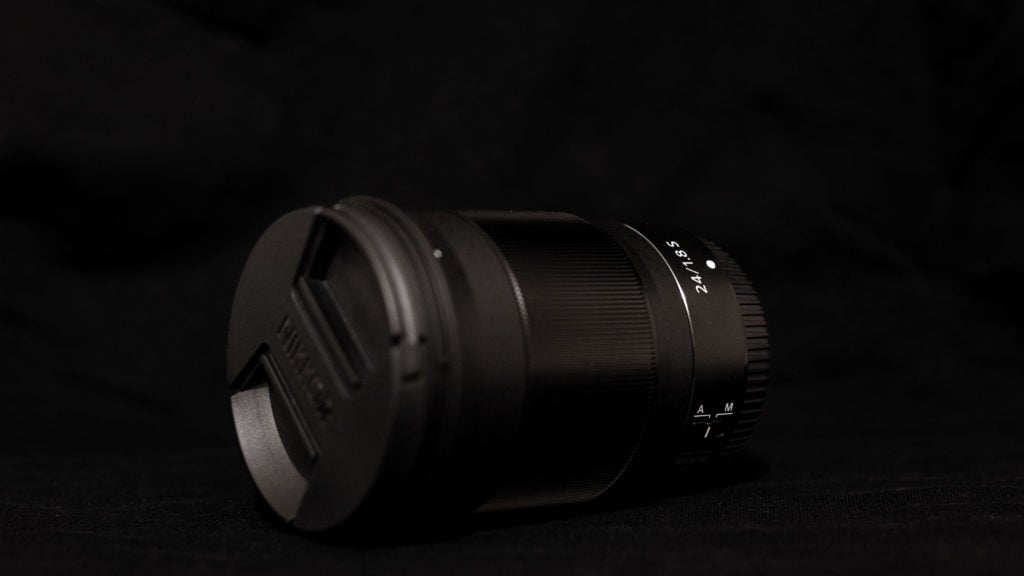
The Nikon Z 24mm f/1.8 S is an incredibly sharp, compact lens with an f/1.8 aperture, making it well suited for night and low-light shooting. At 450 g and 96.5 mm long, it is meaningfully smaller and lighter than the 20mm, and the balance on Z bodies feels noticeably better as a result.

The Nikon Z 24mm f/1.8 takes 72mm lens filters which may be a pro or con depending on your lens filter selection. Of course if you have filters larger than 72mm you can put them on using a stepper ring.

The Nikon Z 24mm f/1.8 is a great option if you need a sharp lens for street photography.
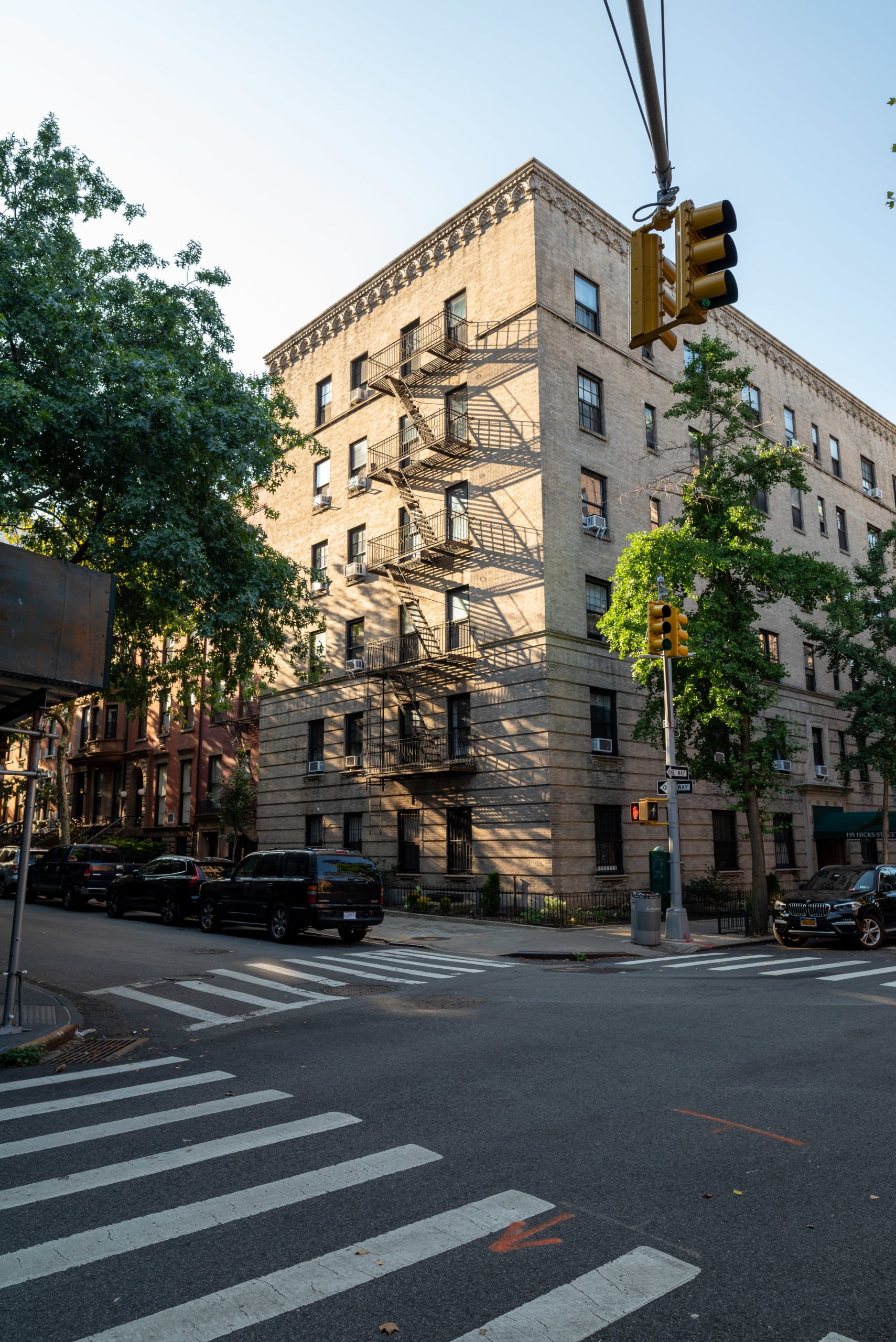
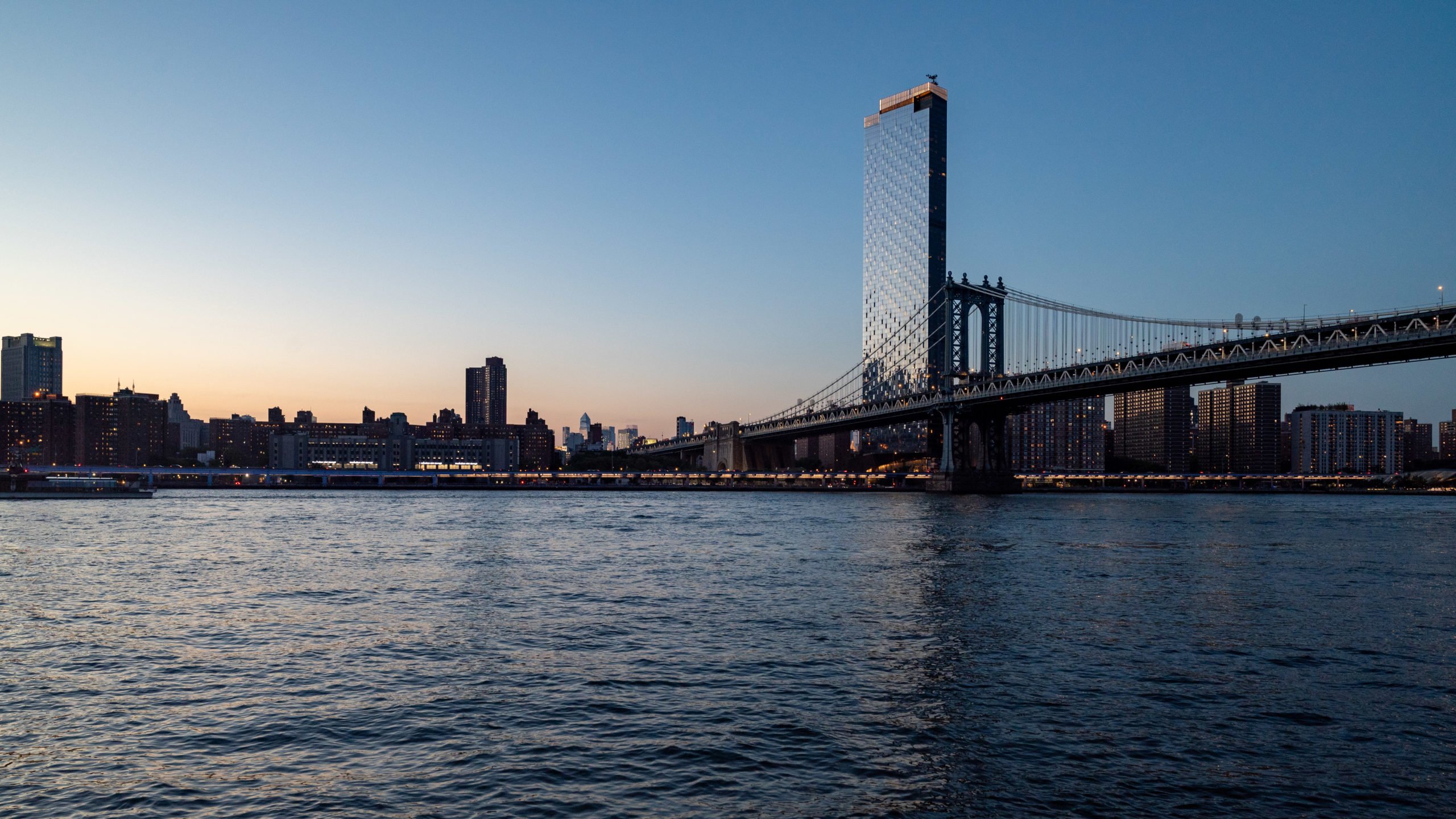
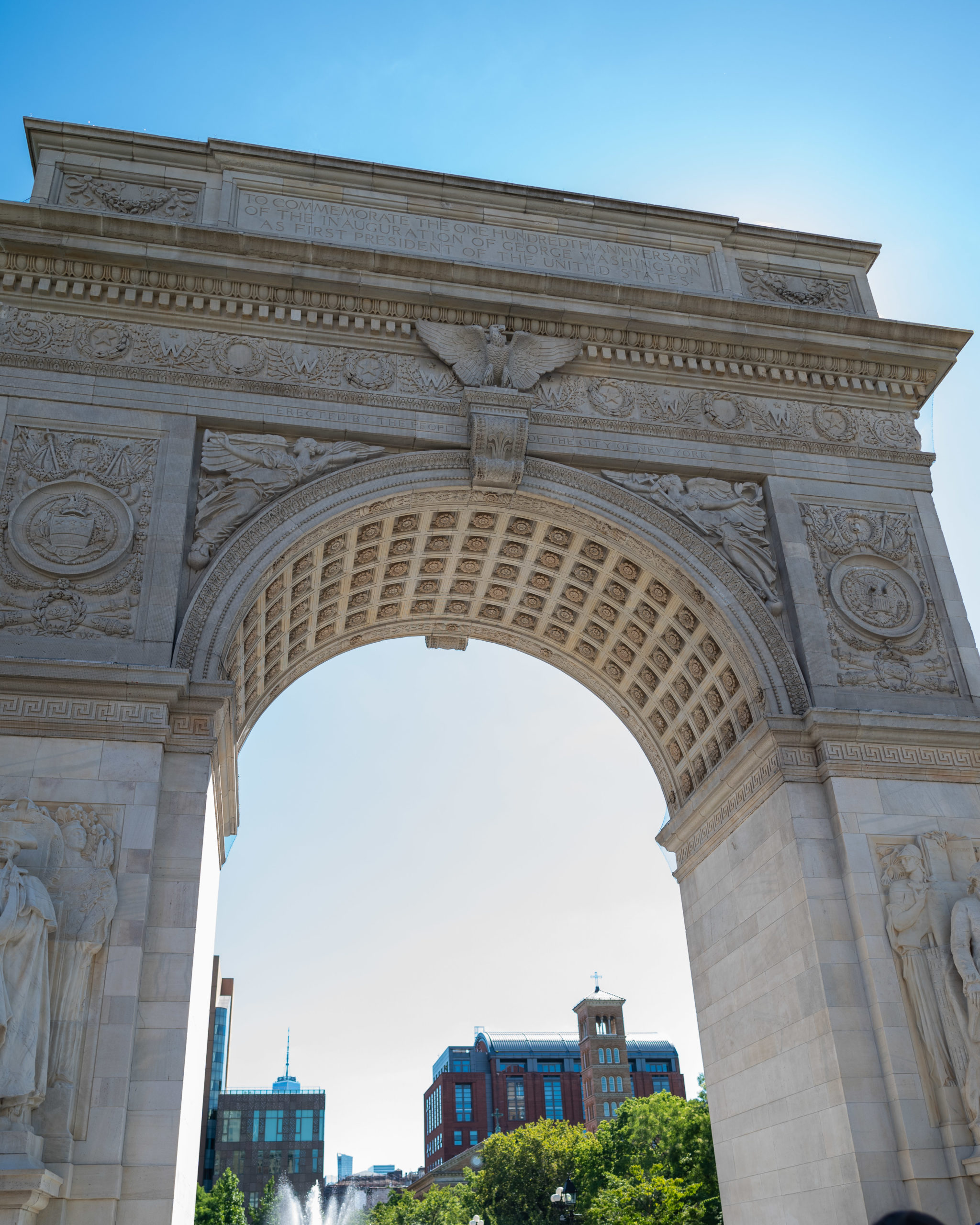
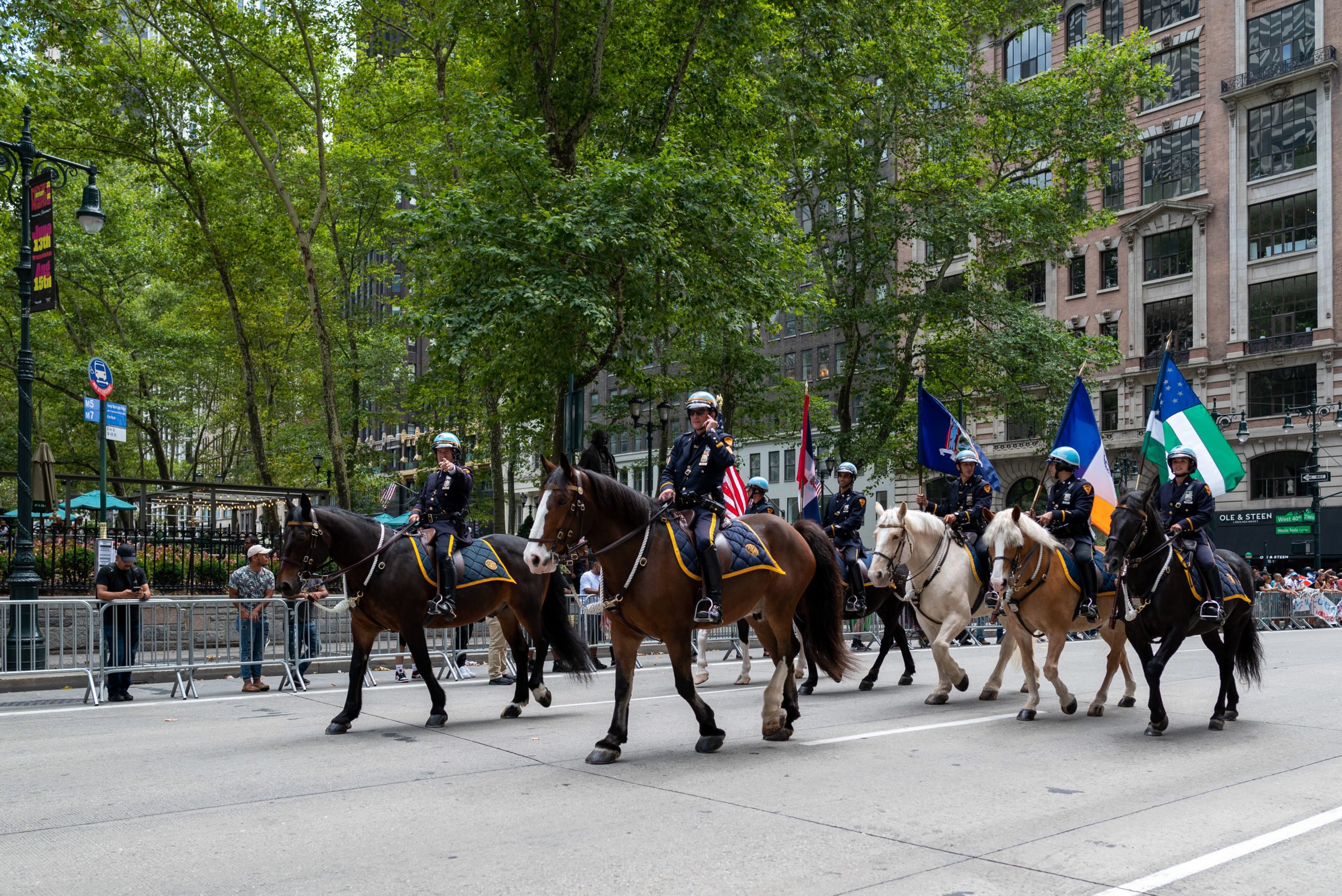
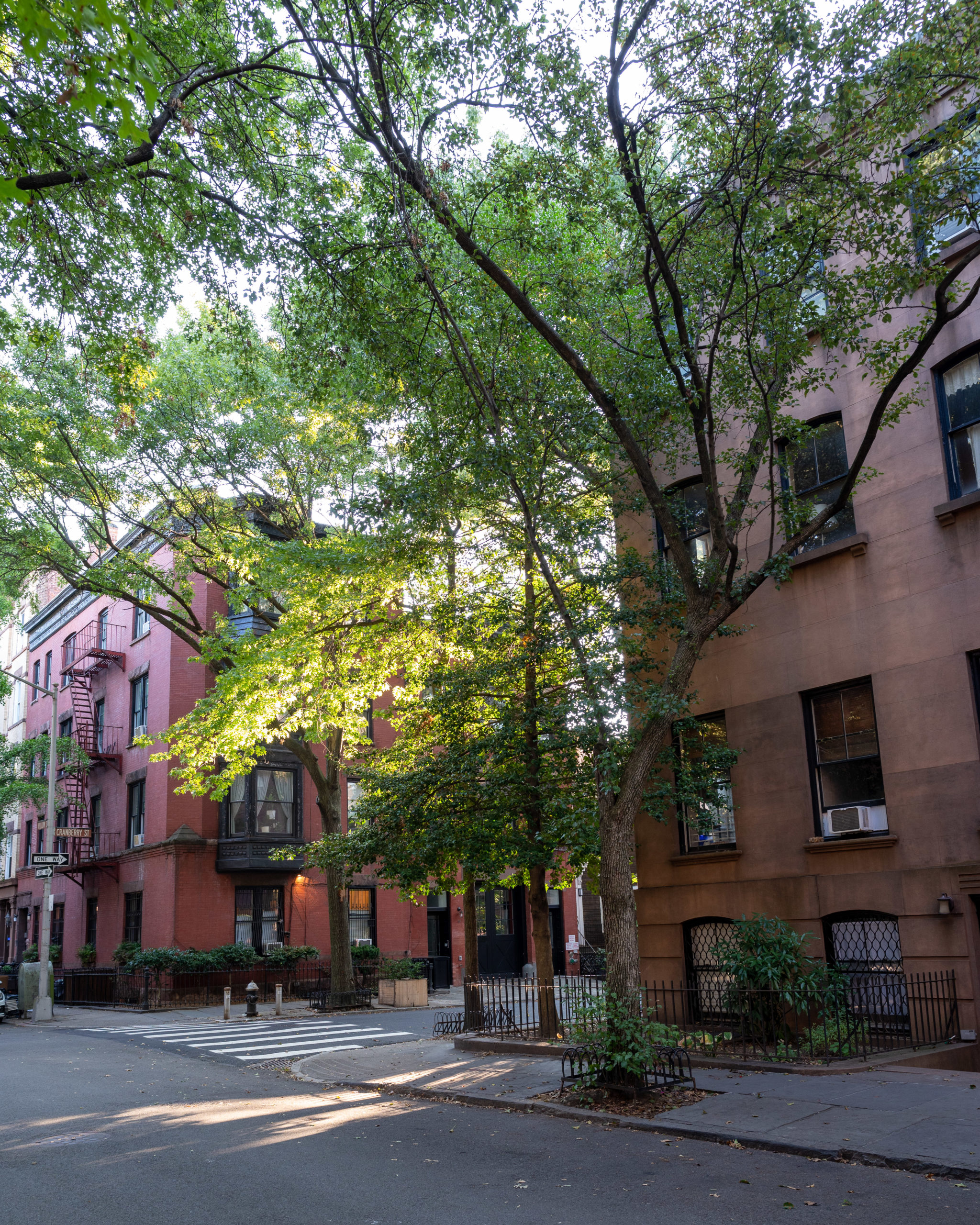
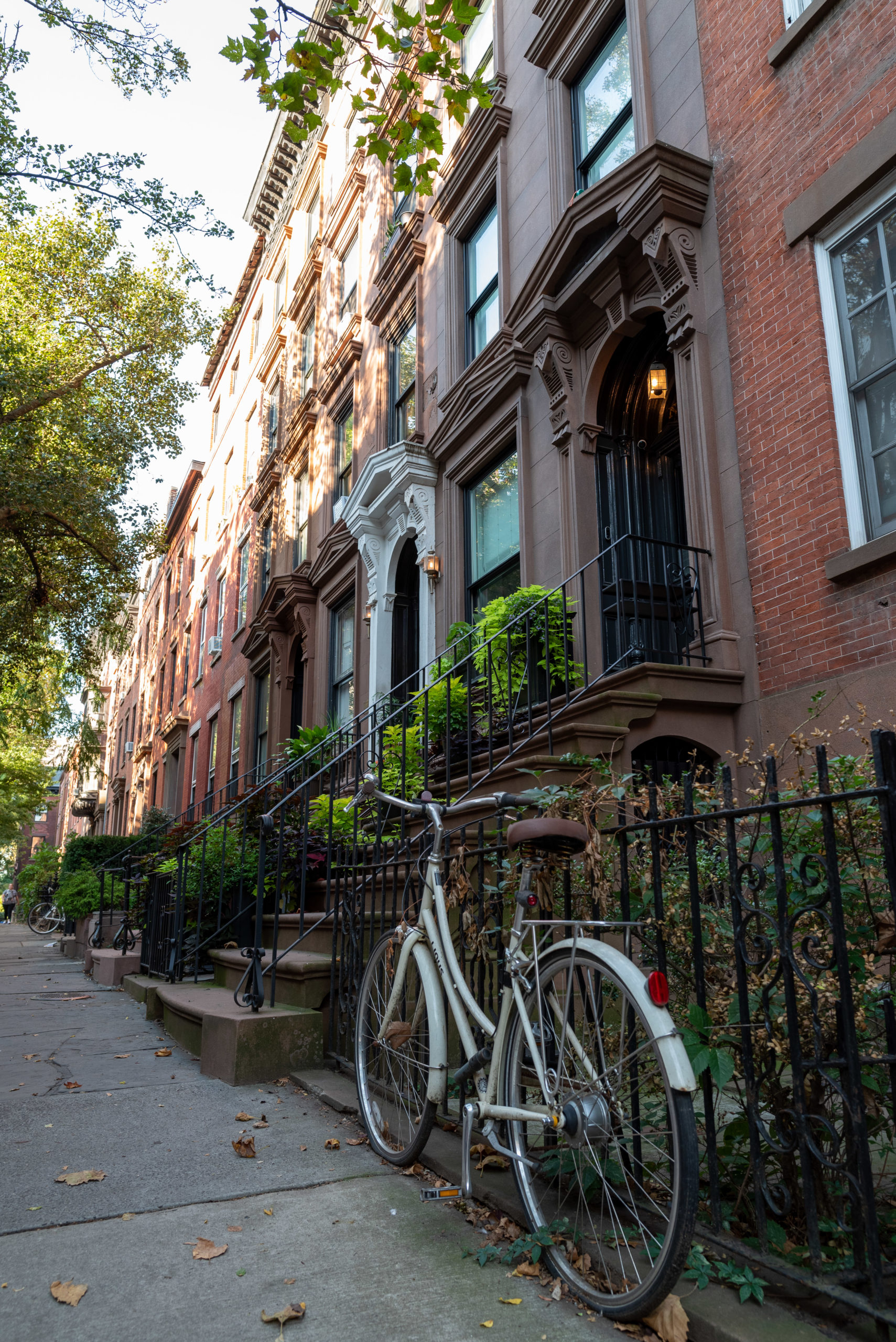
Nikon Z 24mm f/1.8 Sample Photos





Summary
Both lenses are excellent and the choice mostly comes down to what you shoot. For environmental portraits, street photography, and travel where you want a smaller, lighter package, the Nikon Z 24mm f/1.8 S is the better fit. For cityscapes, landscapes, interiors, and architecture, the wider Nikon Z 20mm f/1.8 S captures more in the frame and focuses closer (0.20 m vs 0.25 m), which is useful for foreground interest.
Images edited in Adobe Lightroom.
Photos shot by Tyler Williams (@heyitsboat) on Nikon Z5.
Lens rental provided by B&H Photo.
Nikon Z 20mm vs 24mm FAQ
Which is better for landscapes, the Nikon Z 20mm or 24mm?
The Nikon Z 20mm f/1.8 S is the better landscape choice. The wider 20mm focal length captures more scene per frame, the closer 0.20 m minimum focus distance lets you include strong foreground elements, and the extra 4mm of focal length over 24mm makes a real difference for compositions where you can’t physically back up. The 24mm is still a usable landscape lens, but the 20mm is the more flexible one for the genre.
Which is better for street photography?
The Nikon Z 24mm f/1.8 S, in most cases. It’s 55 g lighter, 12 mm shorter, and the 24mm focal length matches the classic environmental street-photography focal length used by photographers like Daido Moriyama and many Magnum street shooters. The smaller filter thread (72mm vs 77mm) also makes it more discreet on the camera.
Are both lenses part of Nikon’s S-Line?
Yes. Both the Z 20mm f/1.8 S and Z 24mm f/1.8 S carry the “S” designation, which is Nikon’s premium designation for the Z mount. Both lenses are weather-sealed against dust and moisture, both use silent stepping motor autofocus, and both have 9 rounded aperture blades for smooth bokeh.
What filter size do these lenses use?
The Nikon Z 20mm f/1.8 S uses 77mm filters. The Nikon Z 24mm f/1.8 S uses 72mm filters. If you’re buying both, a 77mm filter with a 72mm-to-77mm step-up ring lets you share filters between the two lenses.
How much heavier is the 20mm compared to the 24mm?
The 20mm weighs 505 g (17.9 oz); the 24mm weighs 450 g (15.9 oz). That’s a 55 g difference, or about 12% heavier. It’s not enough to be a dealbreaker for most shooters, but it’s noticeable on a long handheld day, especially on smaller Z bodies.
Hopefully this helped you narrow it down. If you have questions about either lens, drop them in the comments below.
Just want to say thank you to my buddy Tyler for working on this comparison!