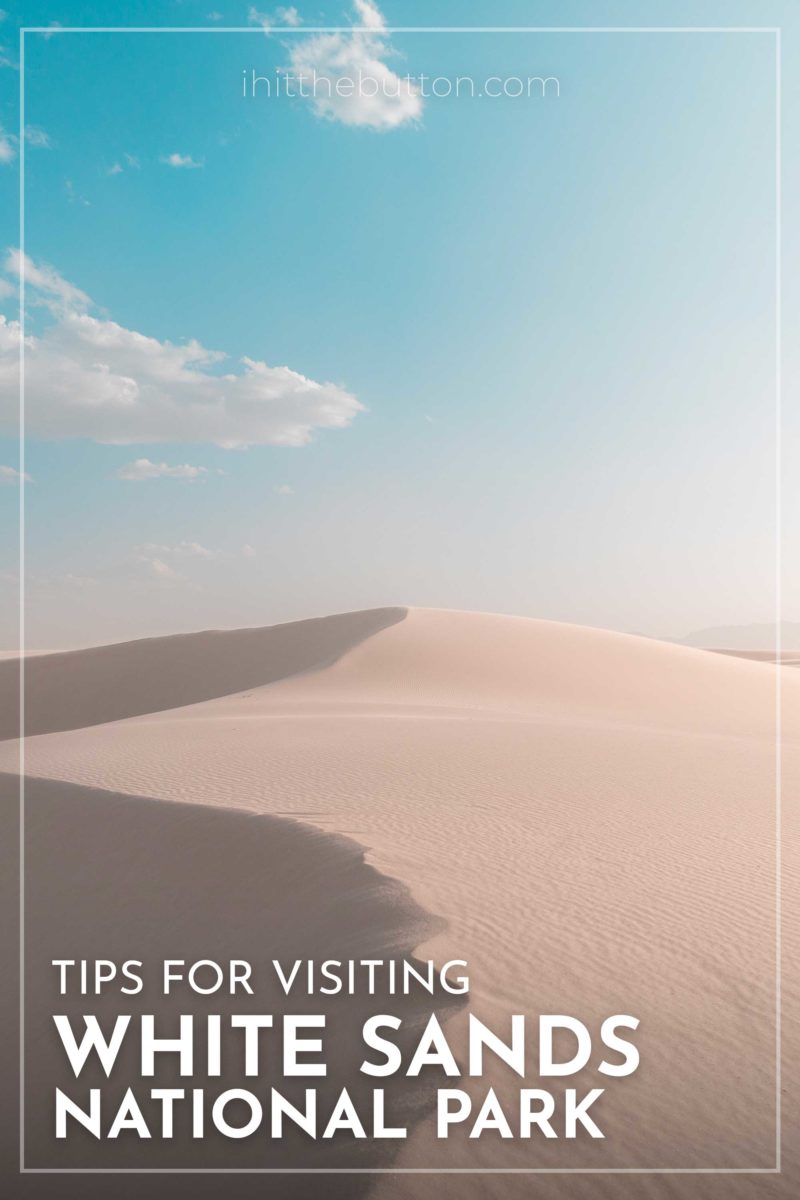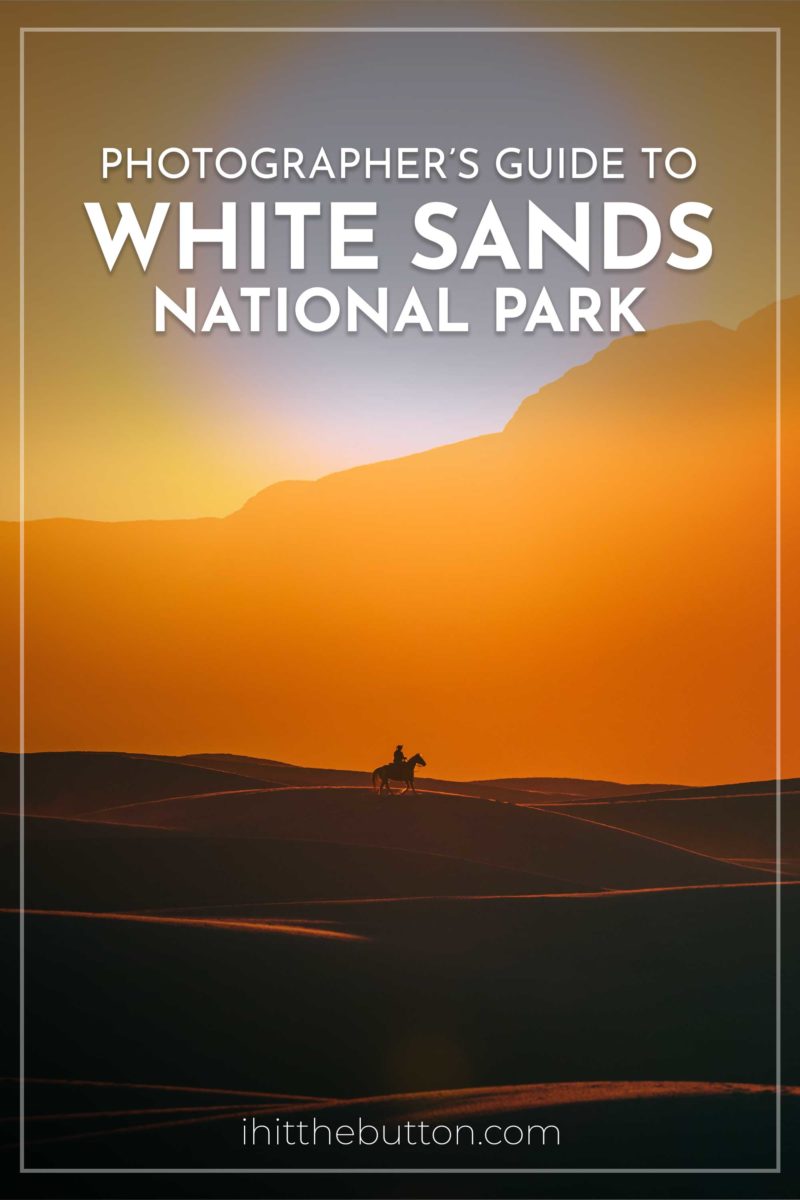
If you’re traveling across New Mexico, White Sands National Park is well worth the stop. Miles of rolling white dunes make it one of the more unusual photography locations in the country. The park covers more than 145,000 acres and protects the world’s largest gypsum dunefield.
Previously called White Sands National Monument in December of 2019 White Sands has been officially made a National Park.
Let’s get into everything you need to know when visiting White Sands National Park:
Table of contents
Tips for Visiting White Sands
Here are my top tips for visiting White Sands National Park.
- Be aware of military tests that shut down the park. These happen a couple of times a week but for exact times check the park website for upcoming closures.
- Most of the park can be seen in a day. With a few short hikes and one long one you can see everything in the park in a few hours.
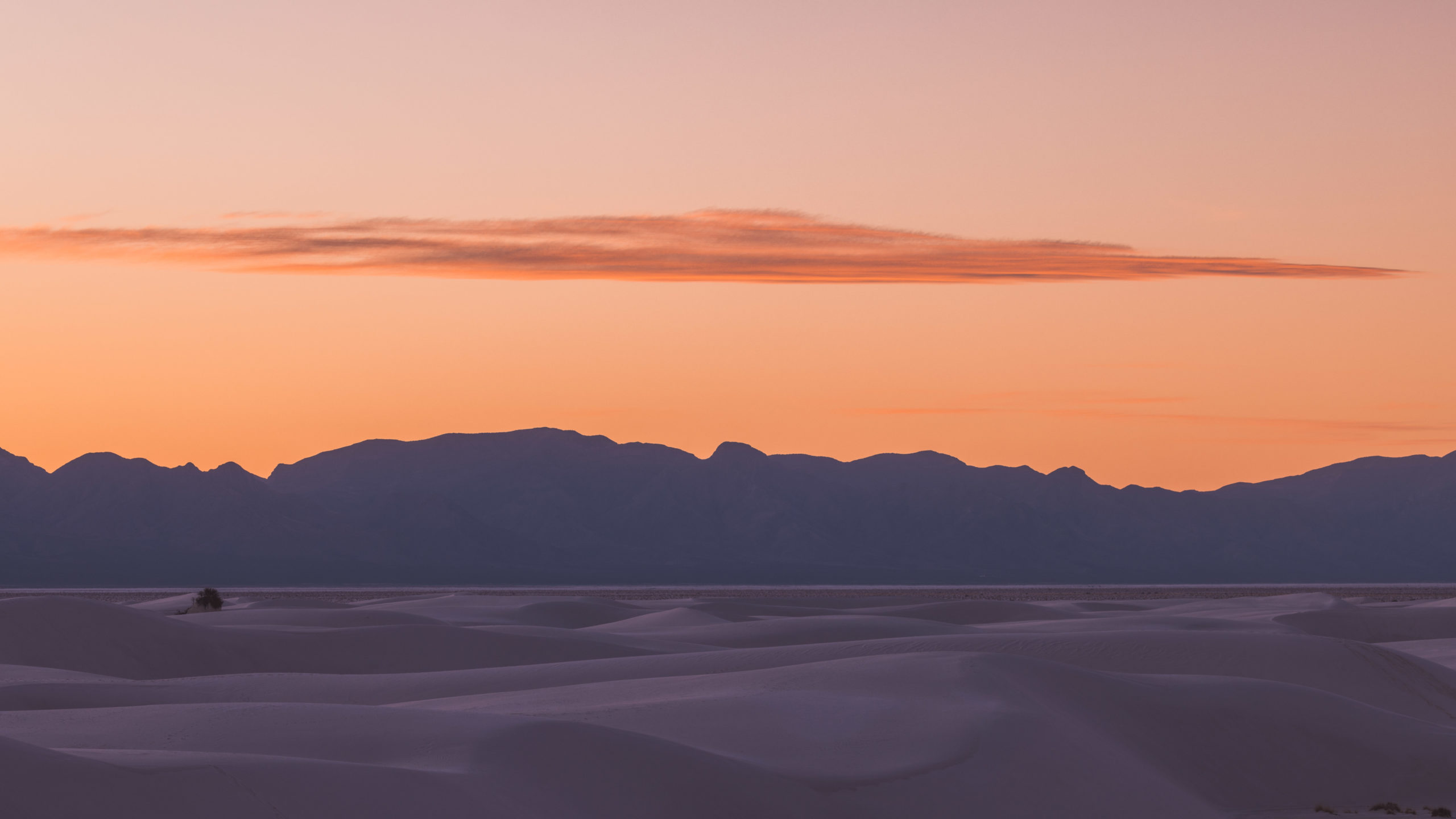
- Go for sunset! One of the best times to be on the dunes is at sunset.
- Bring water. The last place you’ll be able to fill up your water bottle is at the visitor center. The park recommends bringing 1 gallon of water per person since it can get extremely hot in the summer (dehydration is a huge risk here).
- Sled down the dunes. The visitor center sells and rents waxed plastic snow saucers, which work much better than sandboards on gypsum. Bring your own snow saucer if you have one and a block of wax to keep it sliding.
- Wear appropriate clothing and sunglasses. When wandering the dunes it can get very bright and hot so be sure to check weather conditions before heading out.
- Be aware of your route. As you walk the dunes it’s extremely easy to get disoriented and lost. So having a charged phone with a compass app or a GPS device can be quite helpful. Just be aware you won’t have much reception on the dunes so knowing how to get back manually is helpful.
How to Get to White Sands National Park
The entrance and visitor center to White Sands National Park are located directly off US-70 in New Mexico. Like most National Parks, White Sands charges an entry fee. The standard fee is $25 per vehicle and is valid for 7 days, and it covers everyone in the vehicle. An America the Beautiful pass also gets you in. Check the NPS fees page for current rates. Once in the park the layout is quite simple, the park takes you down Dunes Drive to a short loop drive.
When to Visit White Sands National Park
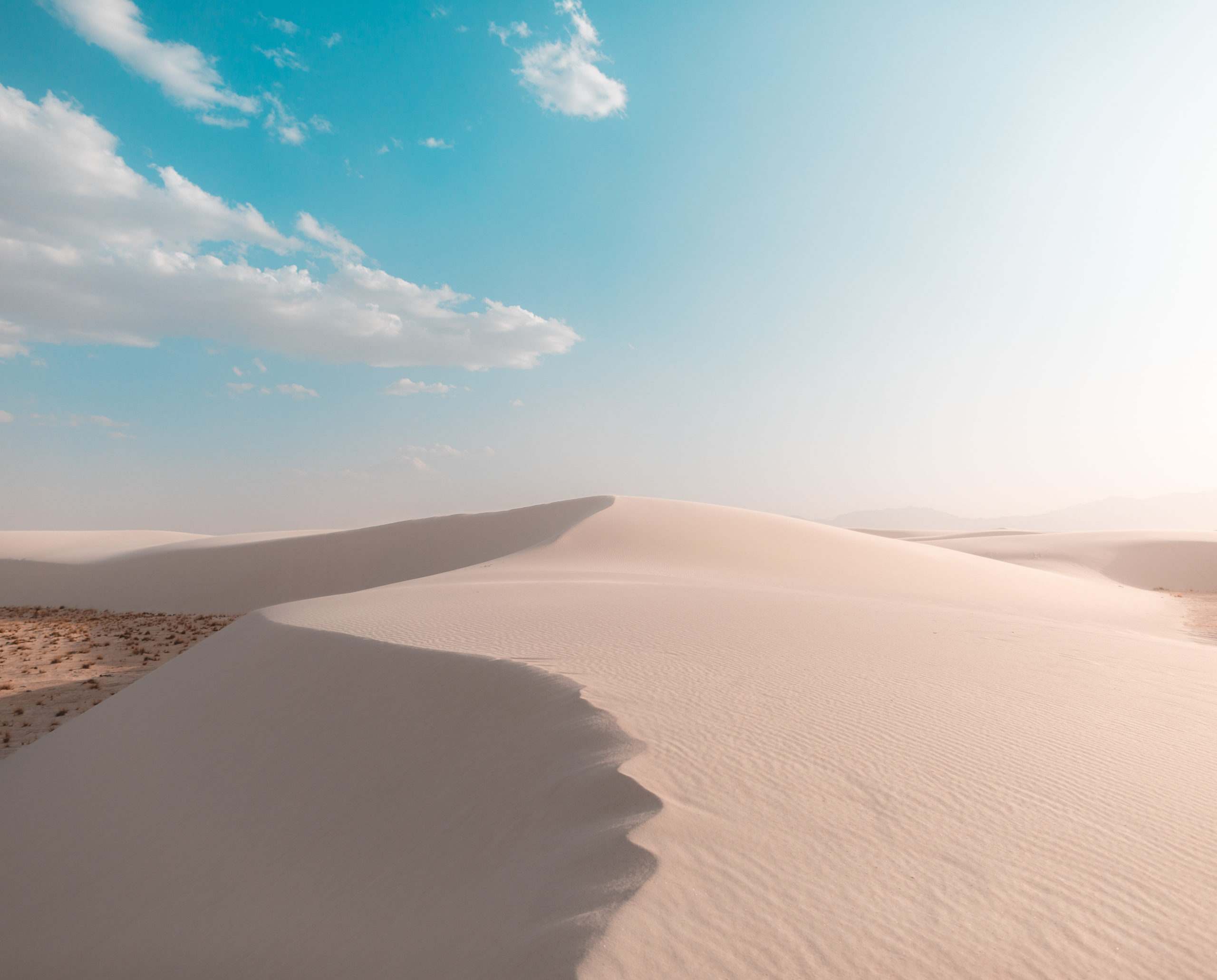
The best time to visit White Sands National Park is fall, winter, and spring. The park is extremely hot during the summer months so it’s best to visit during cool times.
Park hours change with the season, and the dunes drive closes earlier in winter than in summer. The park is also closed on Thanksgiving and Christmas Day. Check the official NPS hours page before you go.
Keep in mind that the park may also be closed for missile testing due to the White Sands Missile Range nearby which you can keep track of on their upcoming closures list.
White Sands Photography Tips
Photographer heading to White Sands? Here are some tips for your visit!
- I recommend bringing a telephoto lens and a wide angle lens. When you are on top of a dune you can get plenty of interesting angles with a telephoto lens but there is plenty of unique angles you can capture with plants and the dunes with a wide lens.
- Hands down the best time to shoot at White Sands is sunset. Just be aware of park closing hours since it can take a while to walk back to the car and closing is usually around sunset.
- A polarizer filter for your lens will help reduce glare from the White Sands glow.
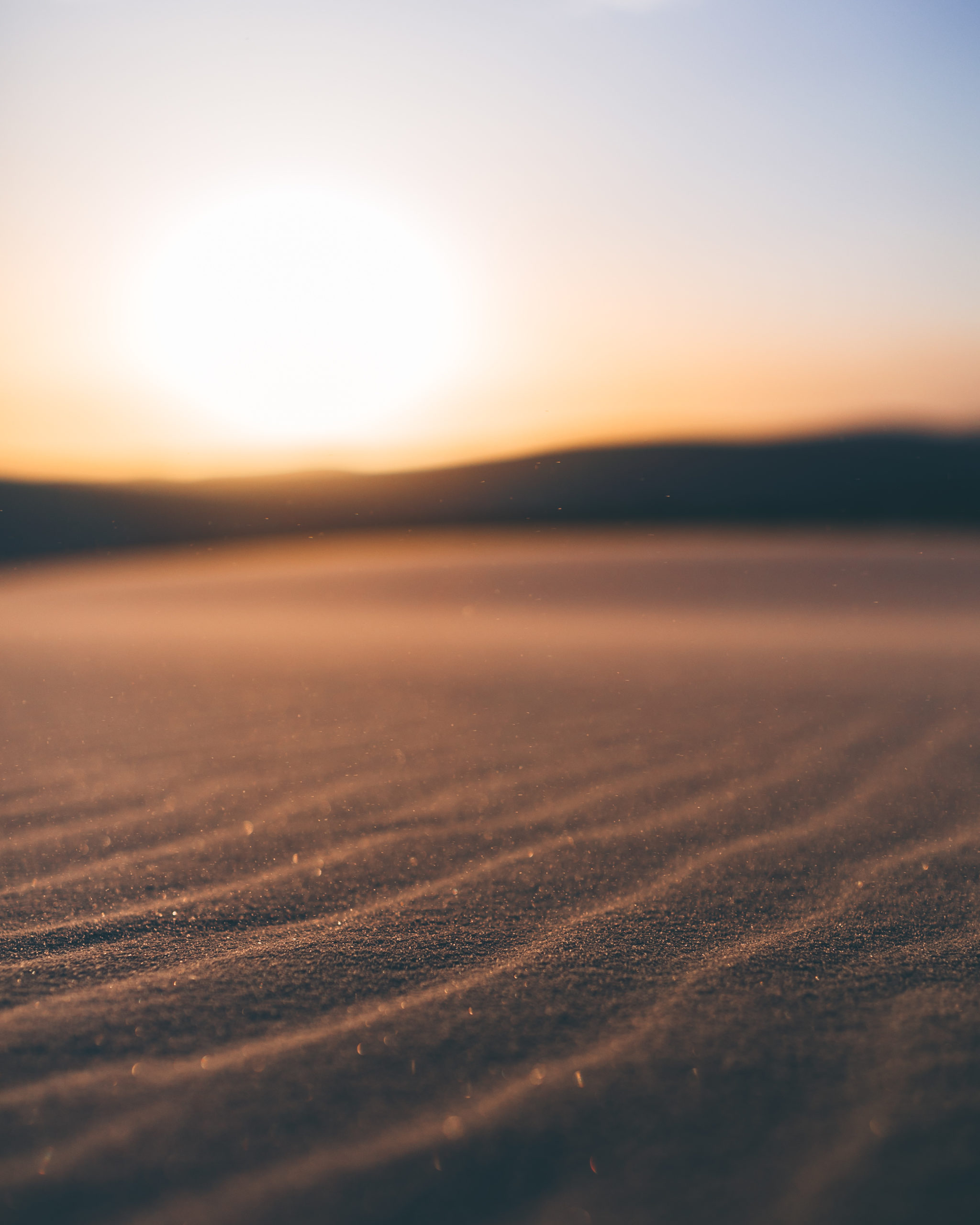
- If it’s windy you’ll have plenty of small pieces of sand hitting you and your gear so having a lens blower can be useful if your gear gets sandy.
White Sands National Park Pictures
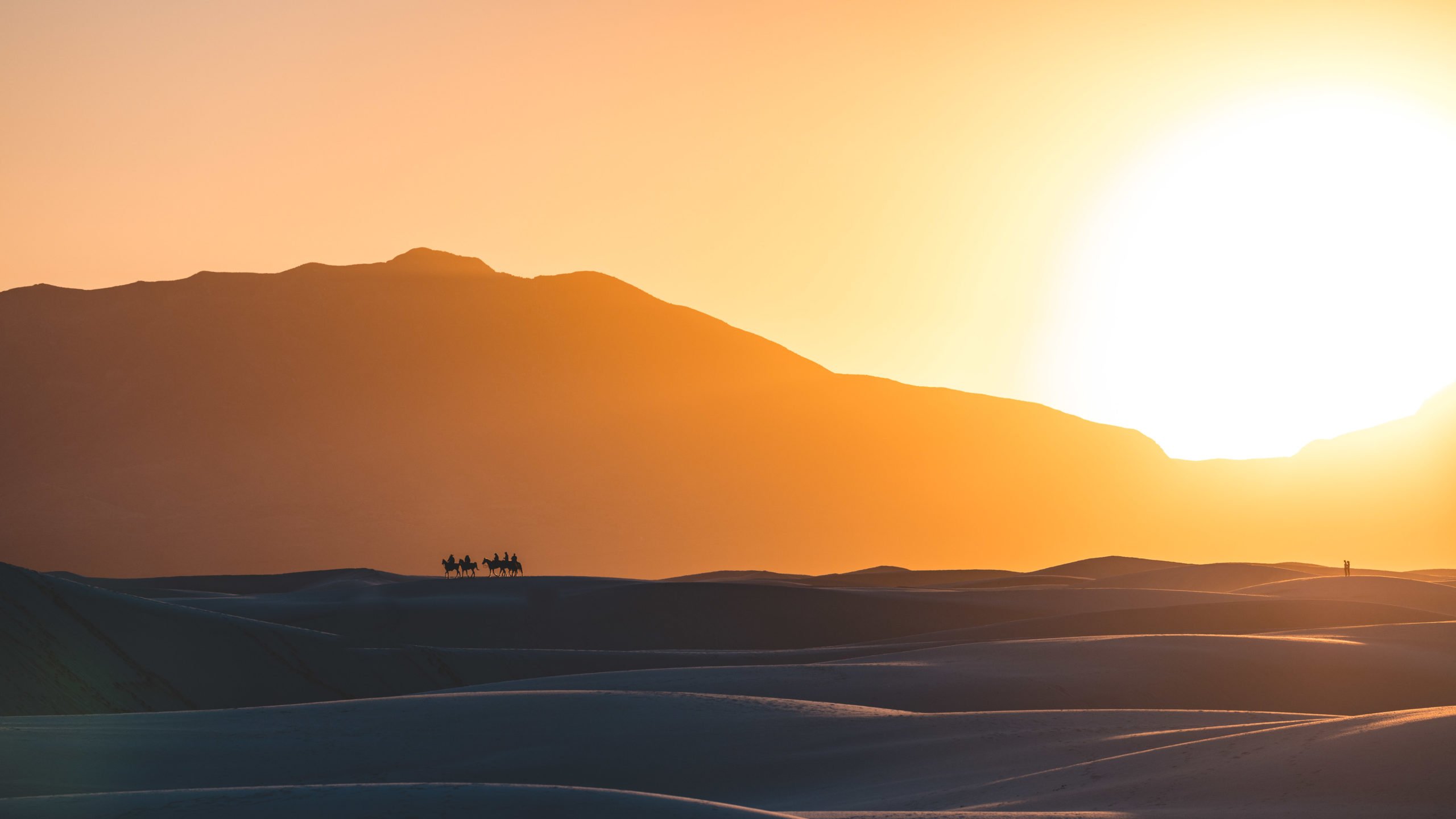
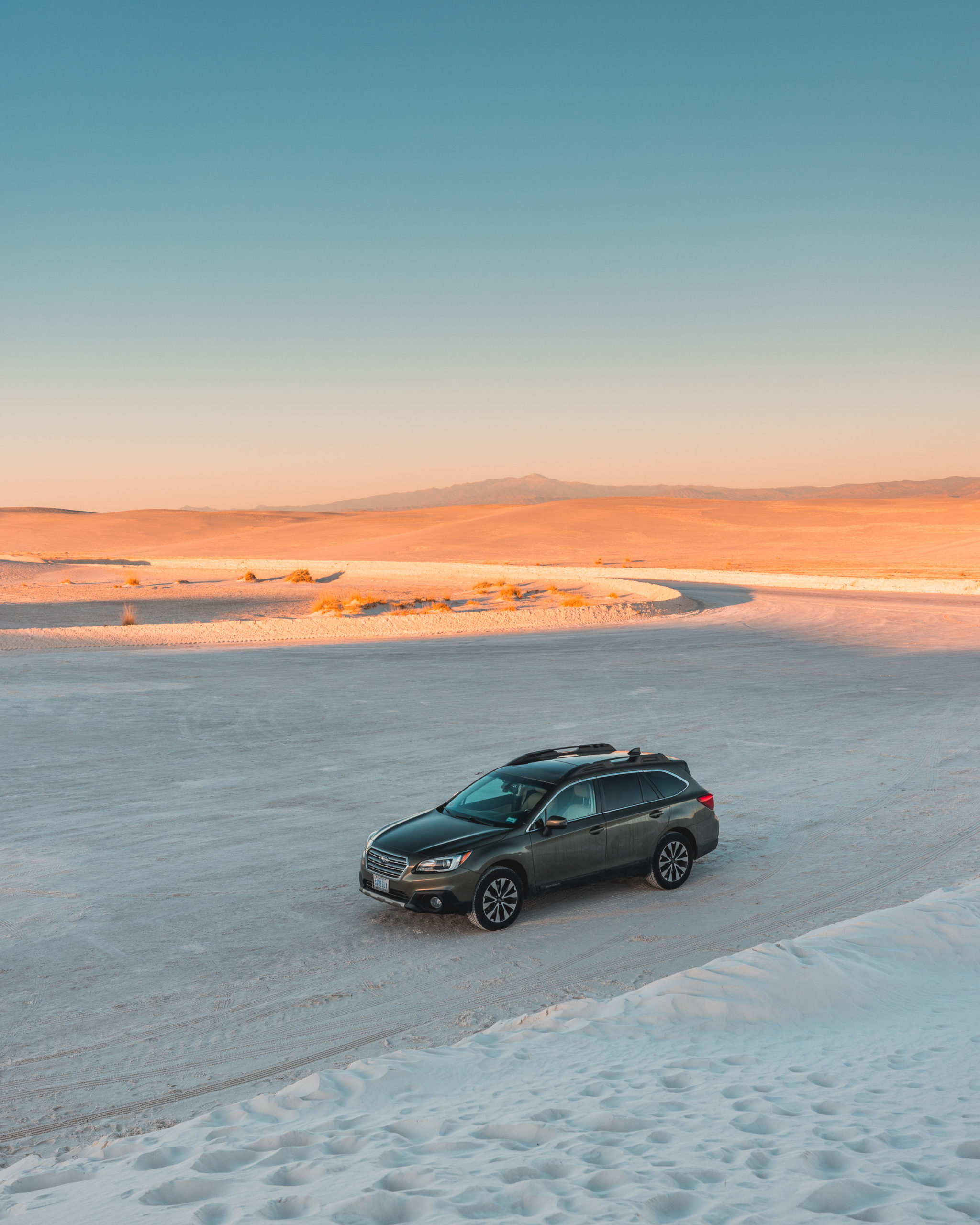
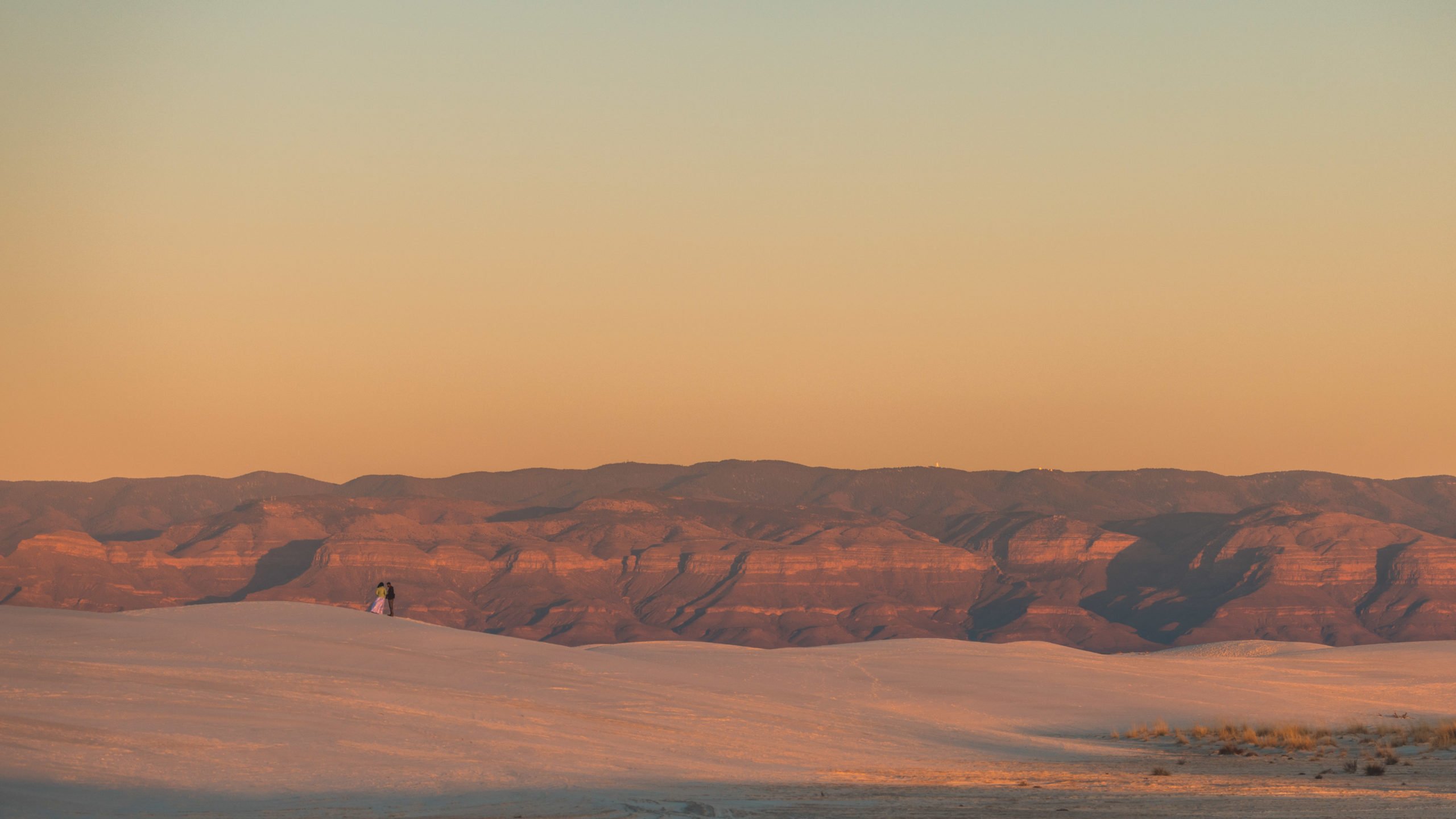
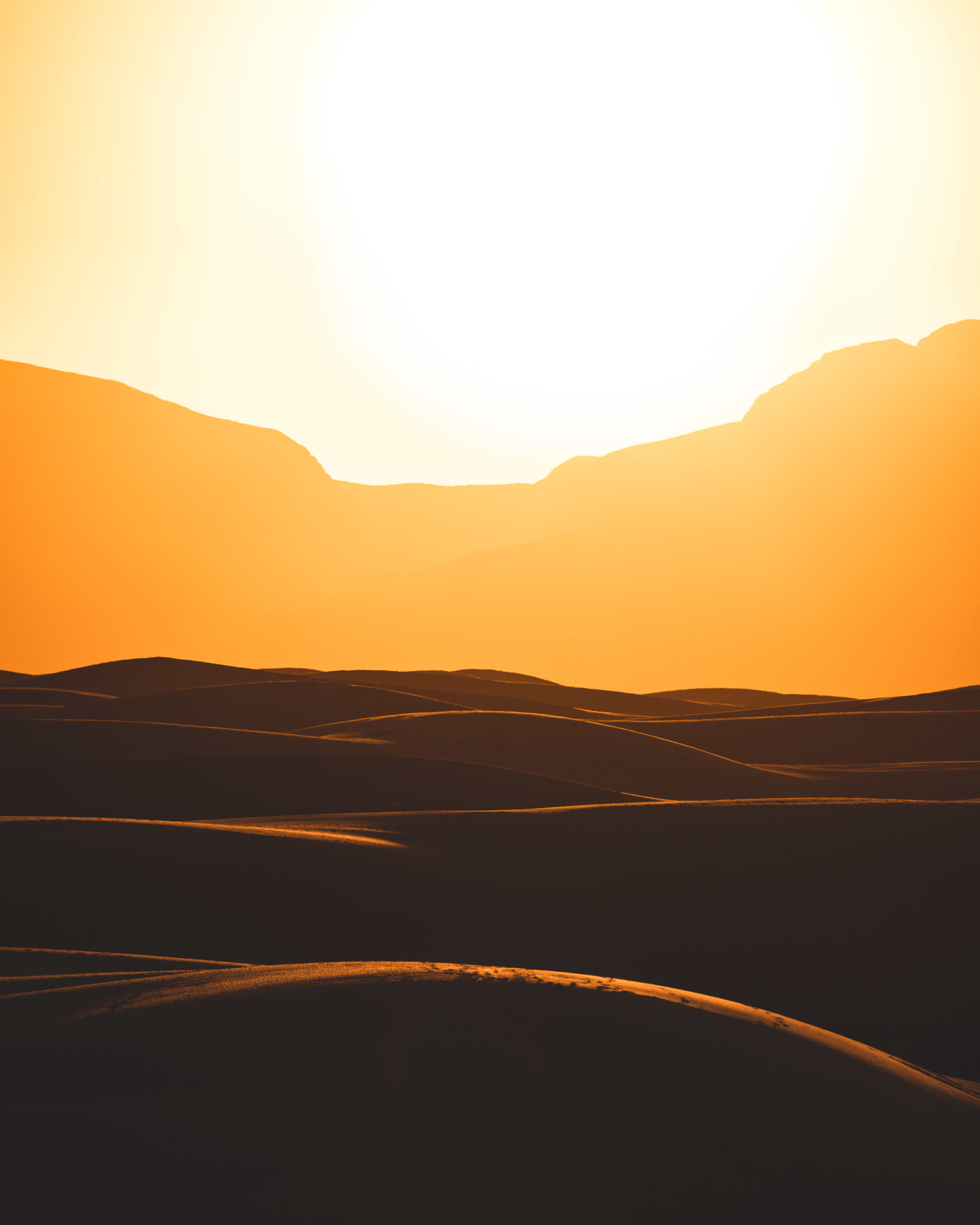
Here are photos from my trips to White Sands National Park. The area is also extremely popular for portraits so you’ll see people on a lot of the dunes getting photos taken.



Frequently Asked Questions about White Sands National Park
What is so special about White Sands National Park?
White Sands protects the world’s largest gypsum dunefield, which is what gives the sand its bright white color. Unlike most beaches and dunes, the sand is gypsum (not quartz), so it stays cool to the touch even in summer. The park became the 62nd U.S. National Park on December 20, 2019.
What is the closest city to White Sands National Park?
Alamogordo, New Mexico is the closest city, about 15 miles east of the park entrance. Las Cruces is about 50 miles southwest and is another common base for visitors (I stayed there on my visit). El Paso, Texas is roughly 90 miles south.
What is White Sands National Park?
White Sands National Park is a 145,000+ acre park in southern New Mexico that protects the world’s largest gypsum dunefield. It’s one of the more unusual landscapes in the U.S. National Park System.
How did White Sands National Park form?
The dunes formed from gypsum that washed down from the surrounding mountains into the Tularosa Basin over thousands of years. Wind broke the gypsum down into fine grains, which built up into the dunefield you see today. The basin has no outlet to the sea, so the gypsum stays put.
Is White Sands National Park worth visiting?
If you’re passing through southern New Mexico, yes. The dunes are unlike anywhere else and a sunset visit is hard to beat. Most people see what they want to see in a half day or a full day, so I wouldn’t plan a long dedicated trip around it, but it pairs well with a road trip through the southwest.
What is the best time to visit White Sands National Park?
Late October through April is the most comfortable window. Summer days regularly hit triple digits and the white sand reflects a lot of sun, so it gets brutally bright and hot. Sunrise and sunset are the best times of day in any season for both temperature and photography.
Can I camp at White Sands National Park?
Backcountry camping at White Sands has been closed for several years while the NPS rehabilitates the sites. There is no developed campground inside the park. Check the NPS lodging page for the current status before planning a trip.
Are there hiking trails in White Sands National Park?
There are five marked trails. The Interdune Boardwalk and Playa Trail are short and easy. The Dune Life Nature Trail and Backcountry Camping Trail are moderate. The Alkali Flat Trail is a 5 mile loop across the dunes and the most demanding option in the park.
Can I sled or sandboard on the dunes?
Yes. Waxed plastic snow saucers work well on the gypsum and the visitor center sells and rents them. Traditional sandboards (the kind used on quartz dunes elsewhere) don’t slide well here, so a snow saucer with sled wax is the better tool. Stick to bare slopes and avoid sledding near the road.
Is White Sands National Park wheelchair accessible?
The visitor center, restrooms, and several picnic areas are accessible. The Interdune Boardwalk is a short, flat boardwalk over the dunes and is the most accessible way to get out into the gypsum landscape. The deeper dune trails are not accessible.
Are pets allowed in White Sands National Park?
Pets are allowed on a leash on the dunes drive, in picnic areas, and on most trails. They aren’t allowed inside the visitor center. Watch the sand temperature in summer, it can burn paws.
What wildlife can I expect to see at White Sands?
Most of the park’s wildlife is small, nocturnal, or both. You’re more likely to see roadrunners, lizards, and ground squirrels during the day, and tracks left by kit foxes and kangaroo rats overnight. Some species at White Sands have evolved white or pale coloring to blend in with the gypsum.
Is there an entrance fee for White Sands National Park?
Yes. The standard fee is $25 per vehicle and is valid for 7 days, and an America the Beautiful interagency pass also covers entry. Check the NPS fees page for the current rate.
Are there nearby attractions or accommodations?
The New Mexico Museum of Space History in Alamogordo is the closest major attraction. Alamogordo and Las Cruces both have plenty of hotel and motel options. I stayed in Las Cruces on my visit because it works well as a base for the broader region.
Can I have a picnic at White Sands National Park?
Yes. The park has designated picnic areas with tables and grills along the dunes drive. Pack out everything you bring in, since there’s no on-site dining.
Can I take sand home as a souvenir from White Sands?
No. Removing sand, plants, or anything else from the park is prohibited. Take photos instead, that’s what this guide is for.
Are there safety precautions I should take at White Sands?
The big ones are heat, sun, and getting lost. Bring at least a gallon of water per person, wear sunscreen and sunglasses (the gypsum reflects a ton of light), and have a way to navigate back to the road since cell service is spotty on the dunes.
I hope you get a chance to visit this amazing National Park! White Sands is a magical place, especially as the sun goes down and hits the gypsum sand. If you are looking for more travel inspiration for the southwest I recommend reading my list of photography locations in New Mexico.
If you’ve enjoyed this post please share a pin below on Pinterest
See more from National Parks on my National Parks Pinterest Board