
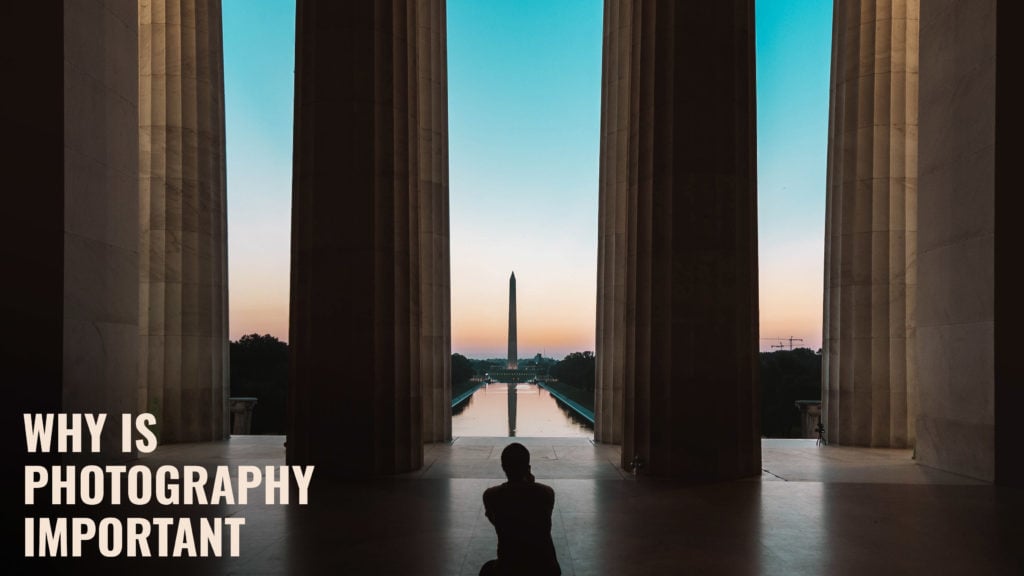
I’ve been taking pictures for over 15 years, and looking back through my photos is always a powerful reminder of the past. Photography captures moments, tells stories, and preserves memories in a way no other medium quite matches. With smartphones in everyone’s pocket, it’s also become a daily activity for almost everyone, not just photographers.
So why is photography important? The short answer is that it does three things at once: it documents your life, it lets you create something, and it connects you to other people through a shared visual language. The long answer covers everything from family memories to history, mental health, art, and commerce. This post covers all of it.
It doesn’t matter if you shoot with a full camera setup or just your phone. Photography adds something to your life that’s hard to put into words until you look back at photos from five or ten years ago.
Table of contents
Photography Helps Preserve Memories
The most obvious reason photography matters is that it preserves memories. Even ordinary photos from a few years ago can feel surprisingly important once enough time has passed, especially photos of family members who are no longer around.
Capturing Important Moments
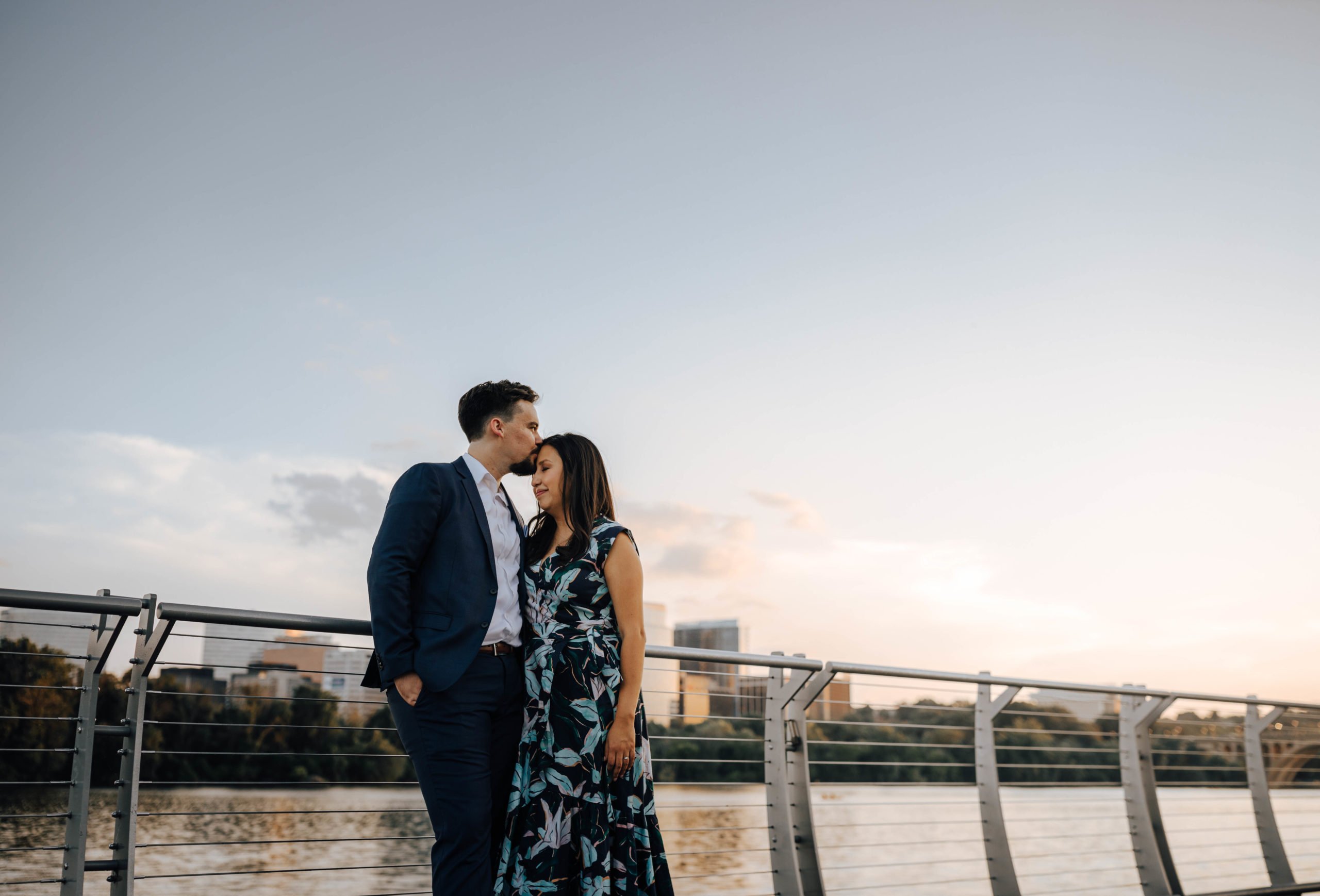
Weddings, birthdays, graduations, anniversaries, the day you brought a pet home. The big set-piece moments are the ones almost everyone photographs, and the value of those photos compounds over decades. A wedding photo is meaningful the day it’s taken; it’s much more meaningful 40 years later.
What people underrate is how much the small moments matter too. The casual shot of your kid at the kitchen table, your grandmother making coffee, your dog asleep on the couch. None of these feel like “important” photos in the moment, but they become some of the most prized images in any family archive once the people in them are no longer around.
Documenting History
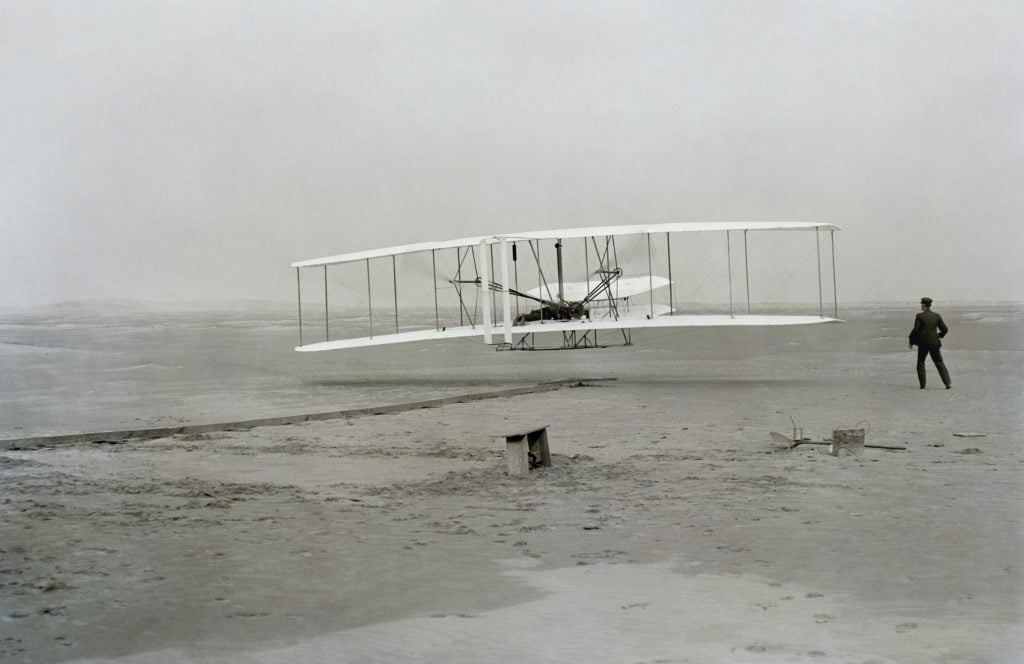
Photography is also a valuable tool for documenting history. Photos capture not only people and events, but also the cultural and social context of a particular time period. They help us understand the past and how it has shaped the present.
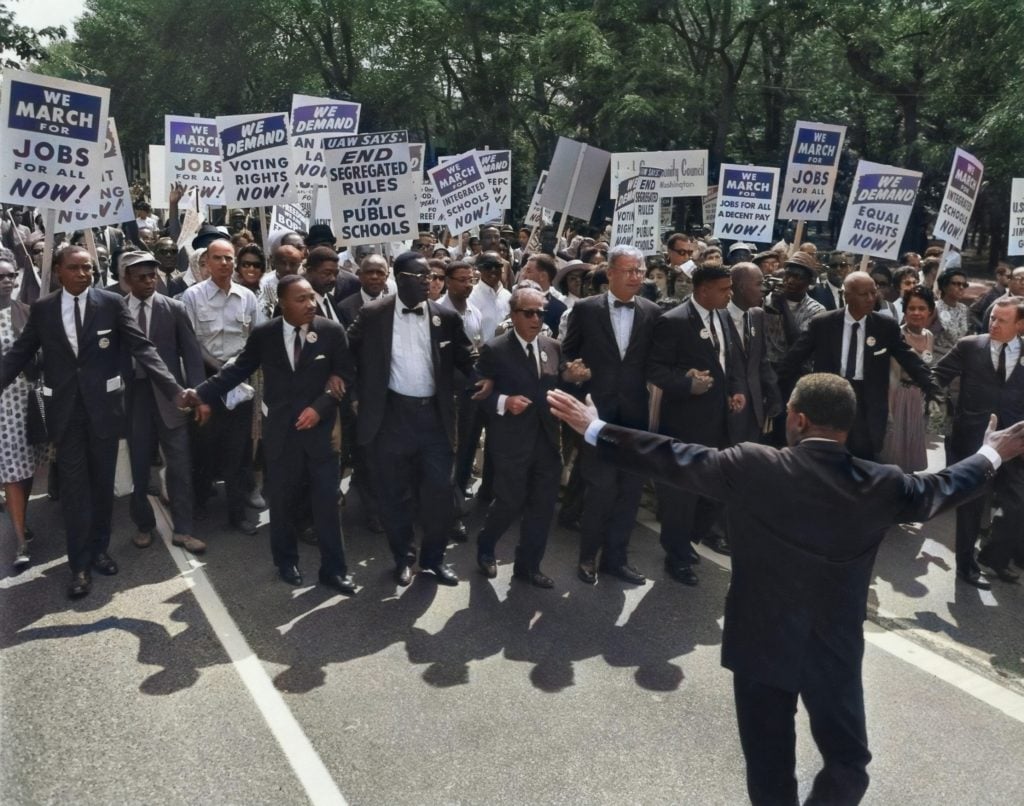
For example, photos from the Civil Rights Movement are a powerful reminder of the struggle for equality and justice. Nick Ut’s 1972 “Napalm Girl” photo helped shift American public opinion on the Vietnam War. The “Tank Man” image from Tiananmen Square became a global symbol of individual resistance. A single photograph, taken at the right moment, can move millions of people to care about something they’d never thought about before.
Photography for Communication and Expression
“A picture is worth a thousand words” gets repeated so often it has lost some of its meaning, but it still holds. A well-timed photograph carries information and emotion that takes paragraphs of writing to even approach. That’s why photography is such a useful tool for telling a story and communicating an idea, whether you’re documenting a trip, building a brand, or just texting friends.
Telling a Story
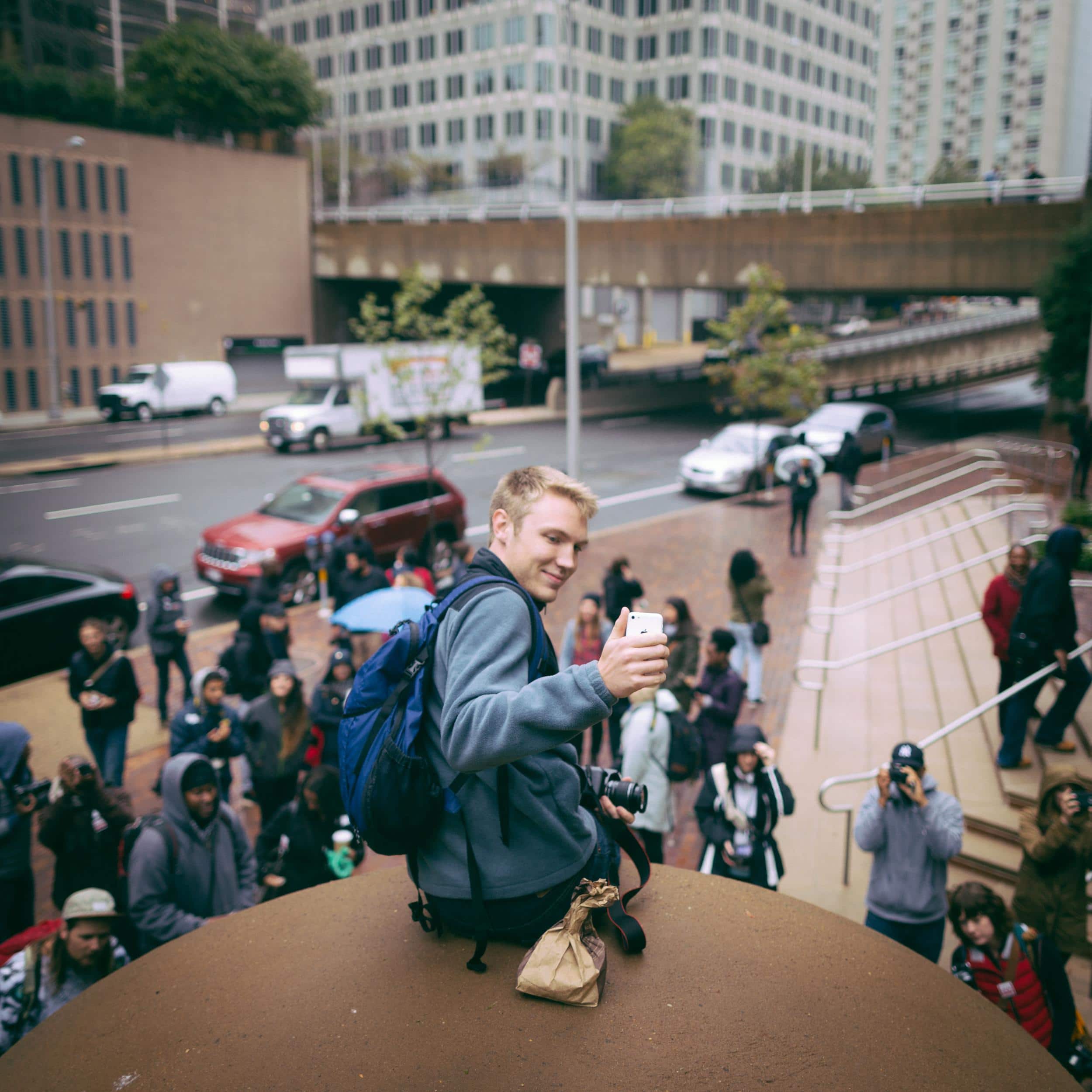
A single photograph can carry an entire story. A street photographer’s frame can show what a city felt like in a particular decade. A travel photo can give a viewer a sense of place they have never been. Photojournalism does this at scale, capturing not just events but the cultural and social mood around them.
That’s why the same image can hit so differently for the photographer and the viewer. The photographer is re-living the moment. The viewer is encountering it for the first time, often through their own filter. Both readings are valid, and both are part of what makes the medium work.
Conveying Emotions
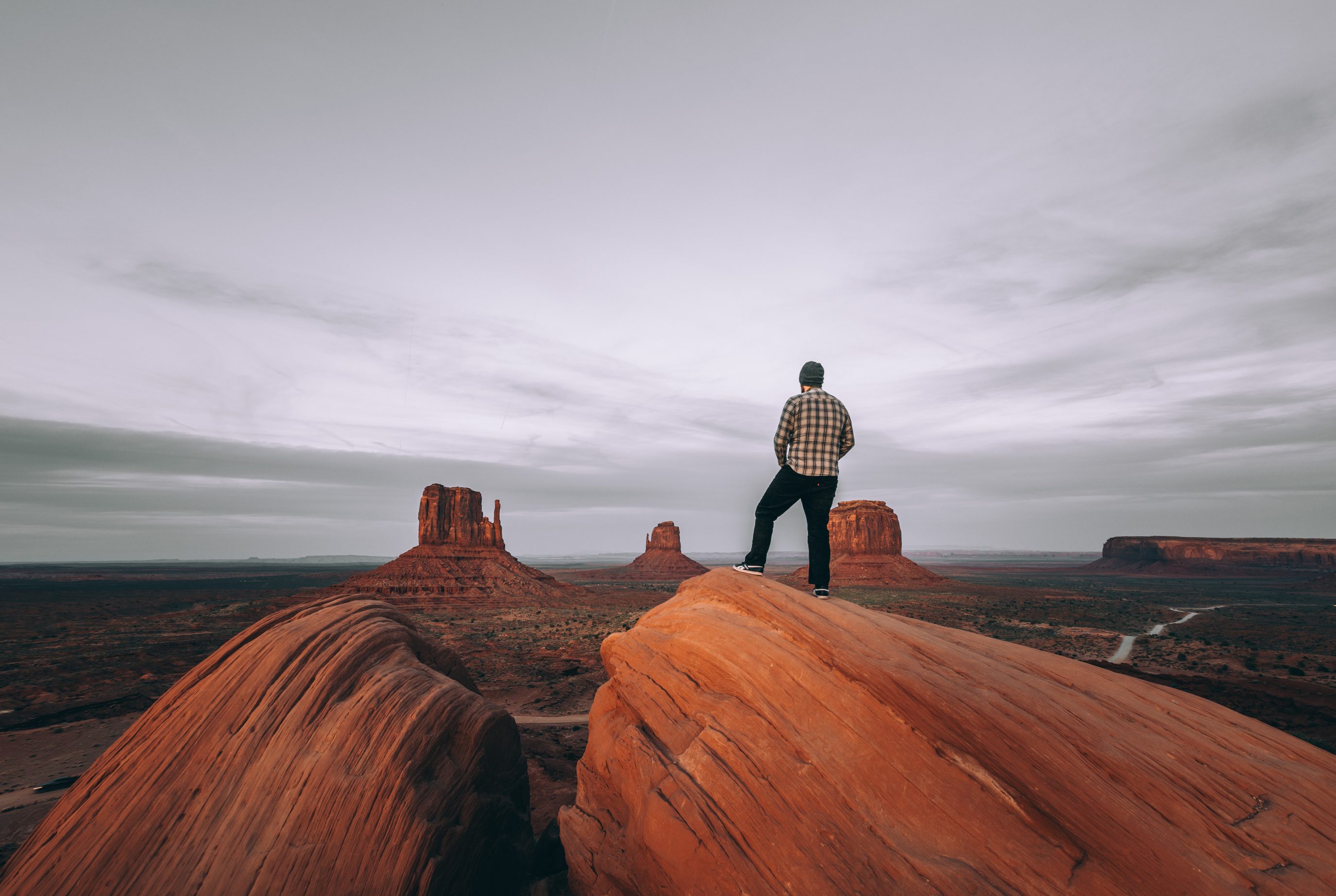
Photographs carry emotion in a way other media struggle to match. A good portrait captures personality on top of likeness. A landscape can read as peaceful or foreboding depending on the light, the framing, and the moment chosen. The emotional layer of a photograph isn’t something you can write into a caption; it’s something the image either has or doesn’t.
I’m reminded of my friend Phil Martin who shared his mother’s story of her battling stage 4 lung cancer. He captured important moments in both of their lives with his photography including the emotional toll and her final hour.
This is also why photography is one of the most effective tools for raising awareness of social issues. The Civil Rights photos, the famine images of the 1980s, war photography, and climate-change documentation all work because still images create the kind of empathy that data tables can’t.
Photography as a Creative Medium
As a travel photographer, I mostly use photography as a creative outlet. Photography teaches you to look at familiar things differently: the way light hits a building, the geometry of a stairwell, the moment someone’s expression shifts. Once you start framing the world that way, you don’t stop, even when the camera is away. My travel photography work is mostly about that, trying to show people the version of a place I noticed.
Beauty in the Mundane
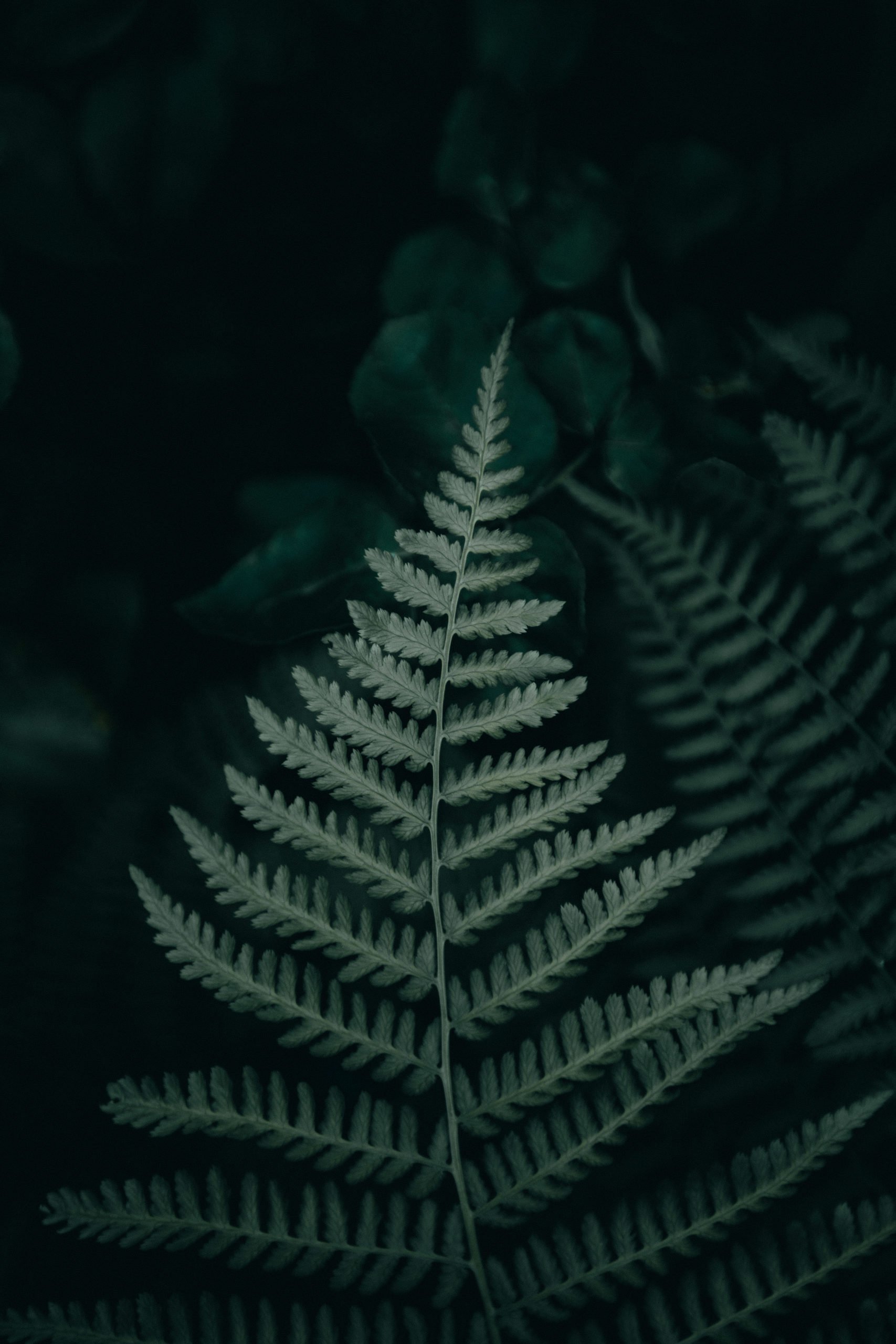
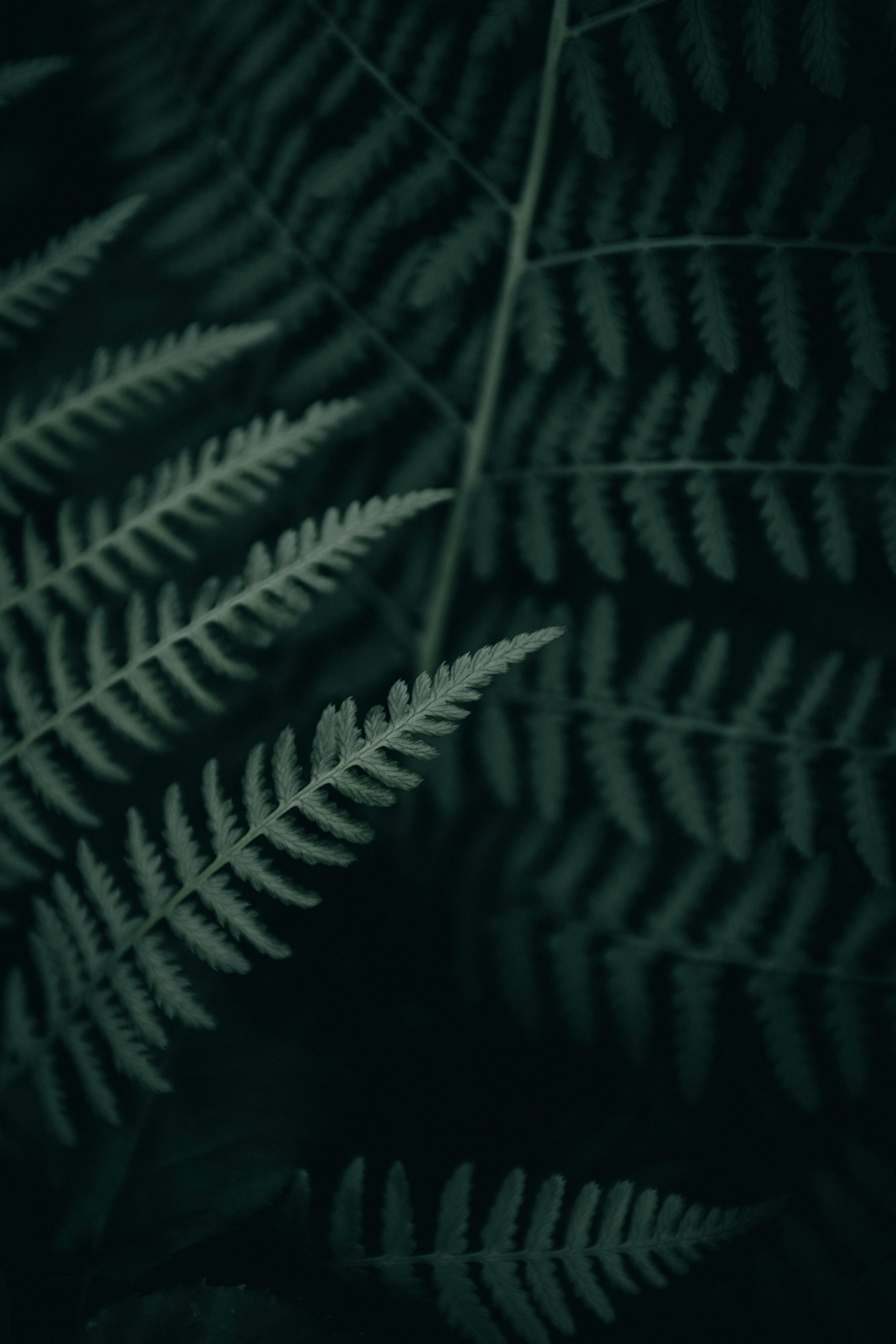
Some of my favorite images are not of grand landscapes or famous landmarks. They are details: a fern in the underbrush, light on a windowsill, a coffee cup in a morning kitchen. Photography pulls these out of the background and puts a frame around them, and it turns out a lot of ordinary stuff is actually worth looking at.
This is also where photography overlaps with mindfulness. To shoot something well, you have to slow down and pay attention to it. That slowed-down attention is in short supply anywhere else in modern life.
Creativity and Personal Style
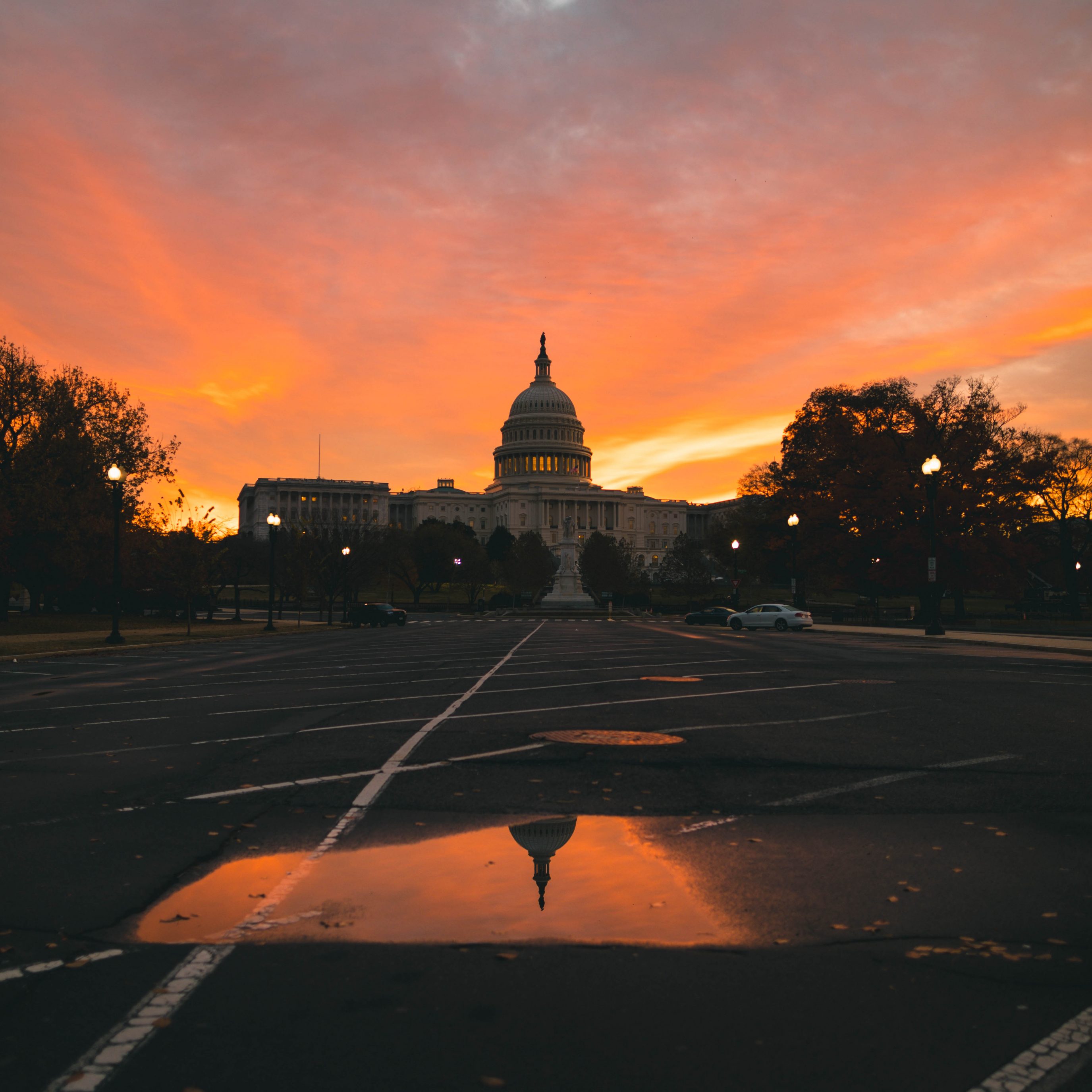
Every photographer develops a personal style, whether they mean to or not. The choices that make up that style (subject matter, color, light, emphasis in composition, what you choose to include and exclude) are all decisions you make consciously or unconsciously every time you press the shutter. Over enough photos, those choices add up to a voice.
That is also why ten photographers at the same event will produce ten different sets of images. They saw different moments, framed them differently, chose different colors. The medium is built to surface individual perspective, which is part of why it never gets boring.
Photography for Business and Marketing
Outside of personal use, photography is one of the highest-ROI skills in any business. Strong product photos move more inventory. Strong brand photos justify higher prices. Strong location photos book more travel. The visuals don’t have to be perfect, but they have to be deliberately made.
Professional Photography
For most businesses, the first interaction a potential customer has with you is visual: a website hero image, a product thumbnail, a social media post. A cluttered or poorly-lit photo communicates “amateur” before any of your copy does. The reverse is also true: clean, deliberately-lit photos communicate “professional” almost instantly, even before someone reads what you sell.
This matters most for products sold online. Customers can’t pick up the item, so the photo has to do the work of showing scale, color, finish, and detail. Better product photos also reduce returns, since people get fewer surprises when the package arrives.
Product and Advertising Photography

Product and advertising photography is its own discipline within the field. The job is to make the product look the way the brand wants it to be perceived, which usually means specific lighting, careful staging, and an obsessive attention to color and texture. The same chair can be photographed to feel modern, vintage, premium, or budget depending on how it’s lit and shot.
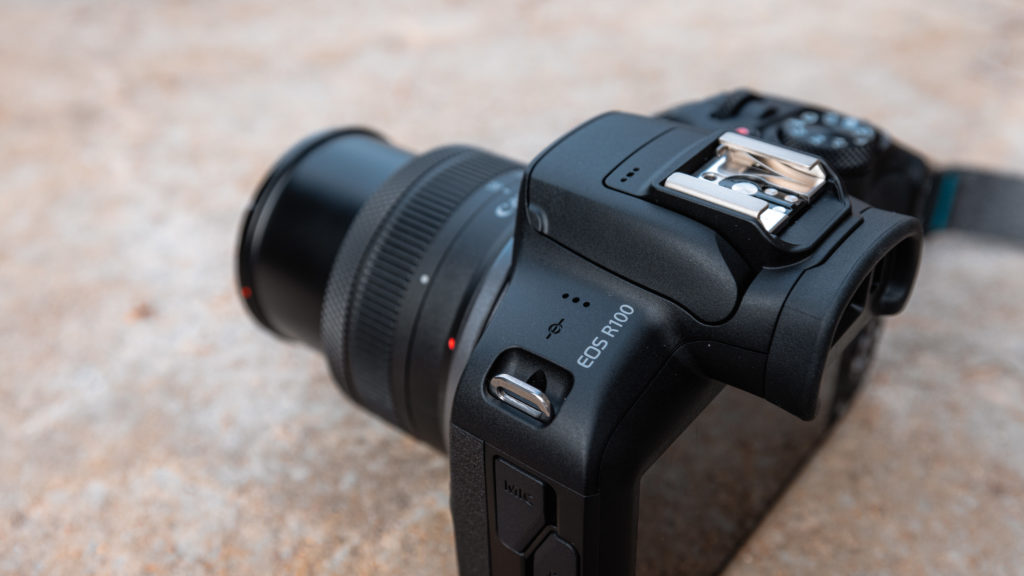
Good photography pays for itself in business. The difference between a product photo shot on a cluttered desk and one shot with proper lighting and a clean background is often the difference between a sale and a scroll-past.
Photography and Mental Health
One thing I don’t see discussed enough is how photography affects your mental health. For me, shooting is meditative. You’re outside, not staring at a screen, focused on one activity. And unlike your phone, a camera doesn’t buzz with notifications every 30 seconds. It’s one of the few creative activities that forces you to be fully present.
There’s actual research behind this. A 2024 study published in the International Journal of Qualitative Methods compared photography to “treasure hunting,” finding that the act of looking for shots creates a state of mindful focus that reduces anxiety. The creative engagement lowers cortisol (the stress hormone), which improves sleep, mood, and overall well-being.
Photography also pushes you out of your comfort zone. It gets you to places you wouldn’t normally go, talking to people you wouldn’t normally talk to, waking up at hours you wouldn’t normally wake up. That pattern of small challenges adds up. I’ve noticed that trips where I shoot actively feel richer than trips where I leave the camera in the bag. The camera gives you a reason to pay closer attention to everything around you.
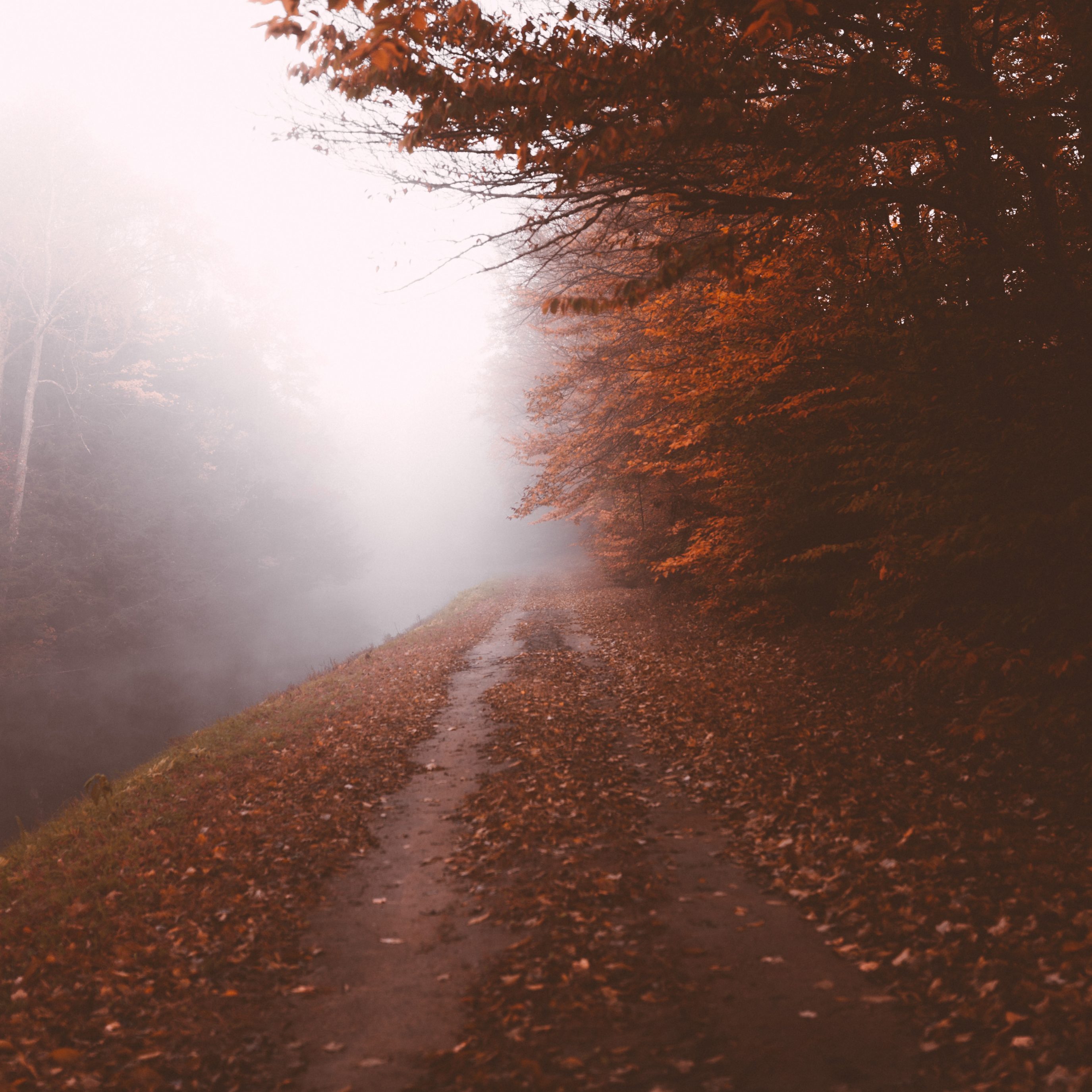
Photography matters because it does something nothing else can: it freezes a single moment and lets you return to it whenever you want. The reasons go beyond nostalgia. Photos tell stories, preserve history, build businesses, and connect people across distances and generations.
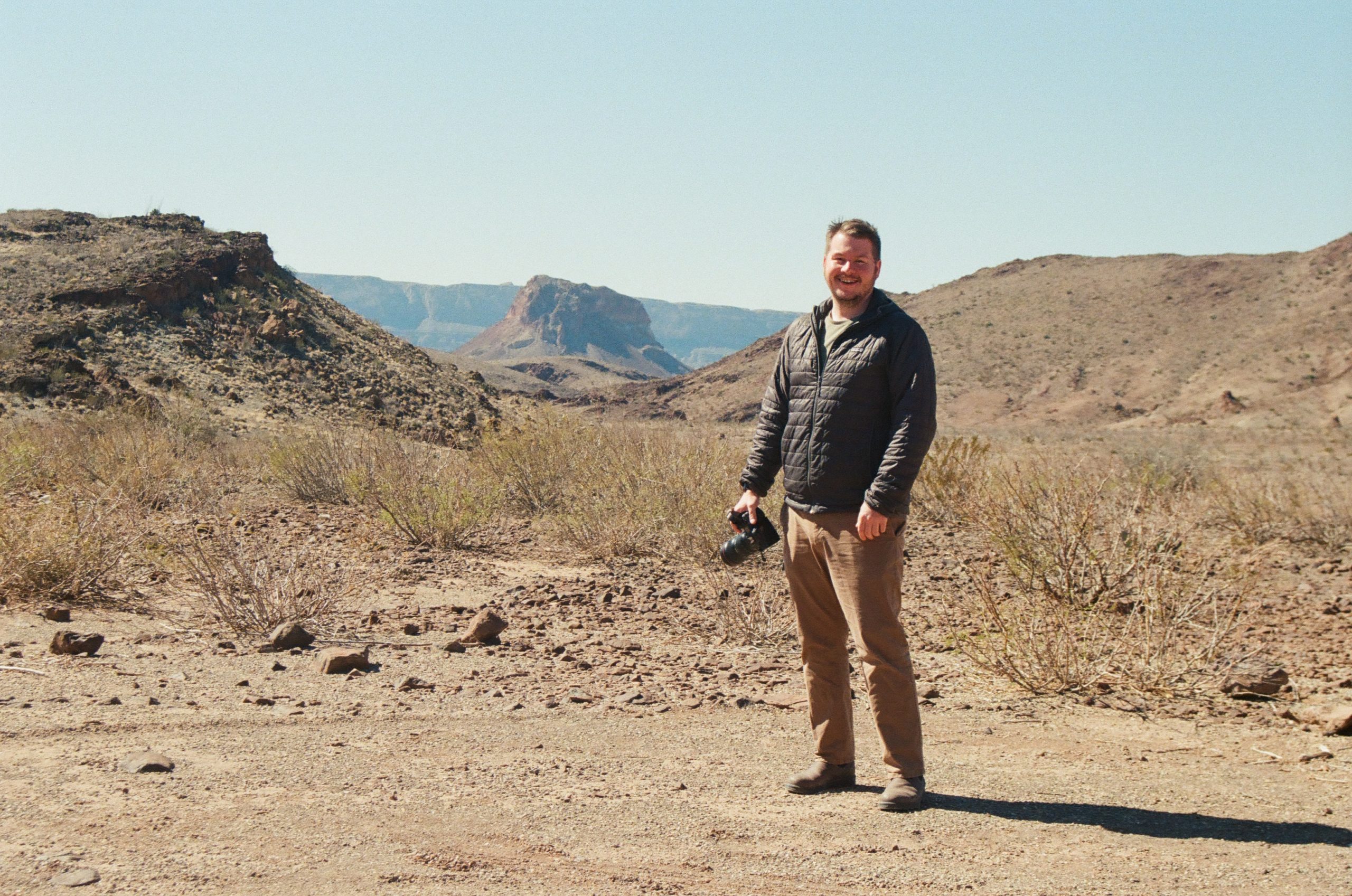
Photography is also one of the few creative skills that’s useful in almost every industry. From real estate to restaurants to personal branding, strong visuals make a measurable difference. And unlike most art forms, you can start with the phone already in your pocket.
This matters even more now that AI-generated images are everywhere. AI tools are great for fixing distractions in a photo or cleaning up a composition, and I use them myself. But there’s a difference between using AI to improve a real moment you captured and generating an image from a text prompt. A generated image isn’t a lived experience. It’s not something true to yourself. For photojournalism especially, transparency about AI edits matters for integrity, even small tweaks.
I highly recommend using photography more in your life. Pick up a camera, leave your phone in your pocket, and go somewhere you wouldn’t normally go. You’ll see the world differently, and others will get to see it through your perspective.
hi im in school my teachers name is tim lagerway
Wow/ thank you for the input/ i have work to do!!/It’s a long way from maine to ca. (and back, buy So 2025
Amen once again thank you
“All i want is to get my picture on the cover of the rolling stone” Buy So
This was a really great article! I honestly find this inspiring to new photographers! Since I’ve only had roughly 4 years of photojournalism studies, this was a really positive outlook on taking photos and painting with light.
Thank you for sharing your thoughts! I completely agree with your points and appreciate your clarity on the subject.
Glad you enjoyed the post!
Advertising photography holds a unique and captivating power to grab our attention, ignite our emotions, and ultimately persuade us to take action. It is a form of visual storytelling that seamlessly combines creativity, technical prowess, and marketing strategy to create impactful images that leave a lasting impression.